sales@menred.com Deutsch Deutsch 中文 中文
NET Commercial Total Heat Recovery Ventilator

NET Commercial Total Heat Recovery Ventilator NET Commercial Total Heat Recovery Ventilator NET Commercial Total Heat Recovery Ventilator

NET Commercial Total Heat Recovery Ventilator
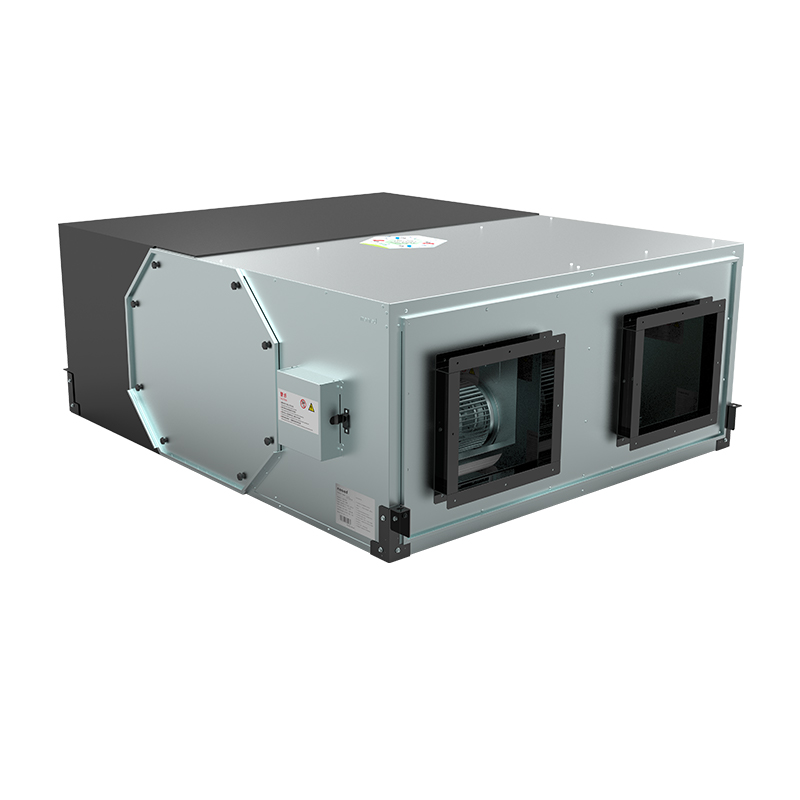
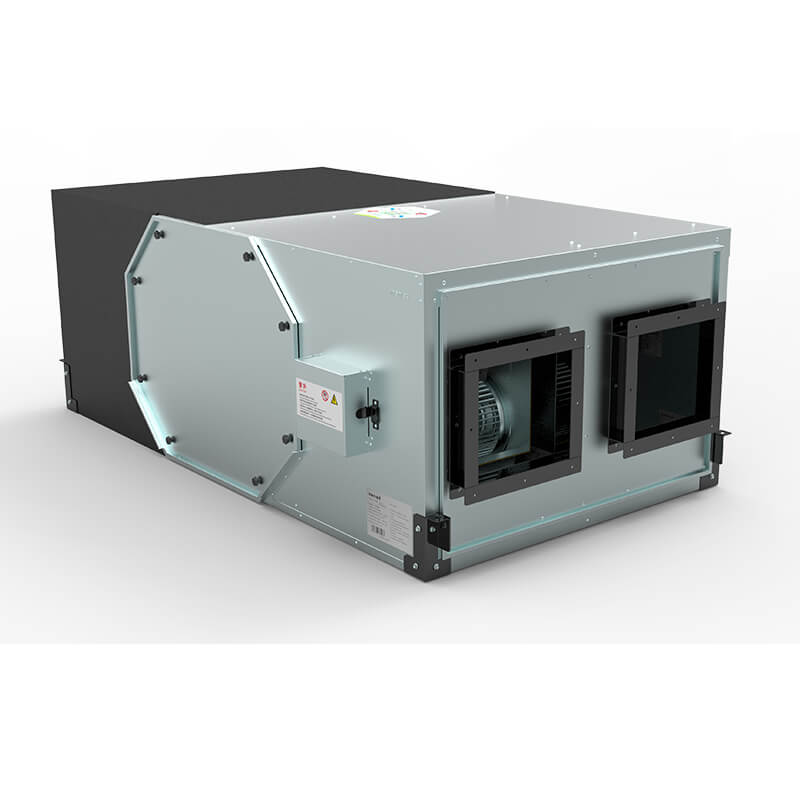
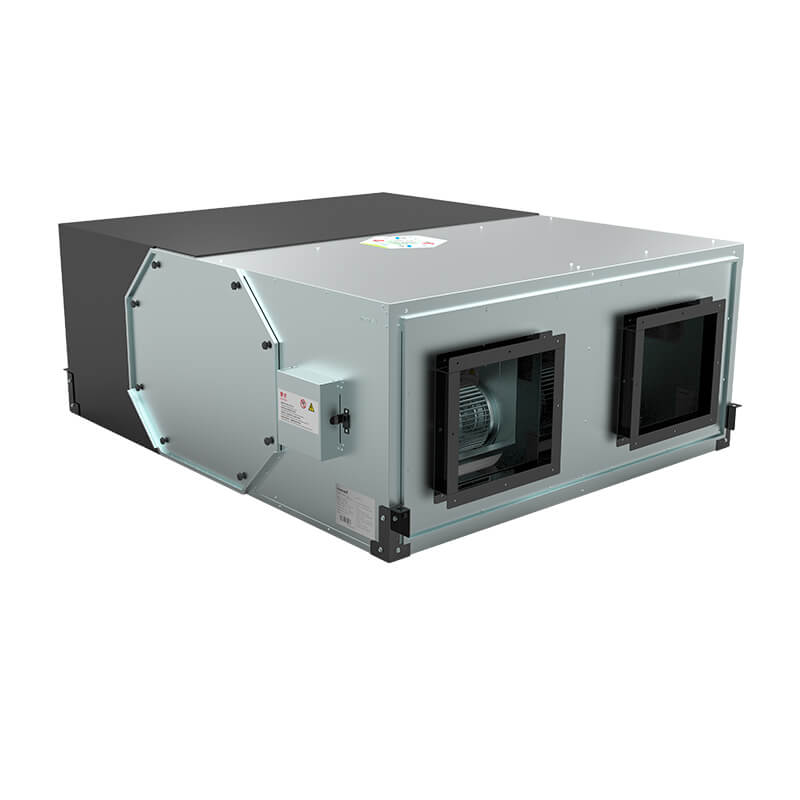
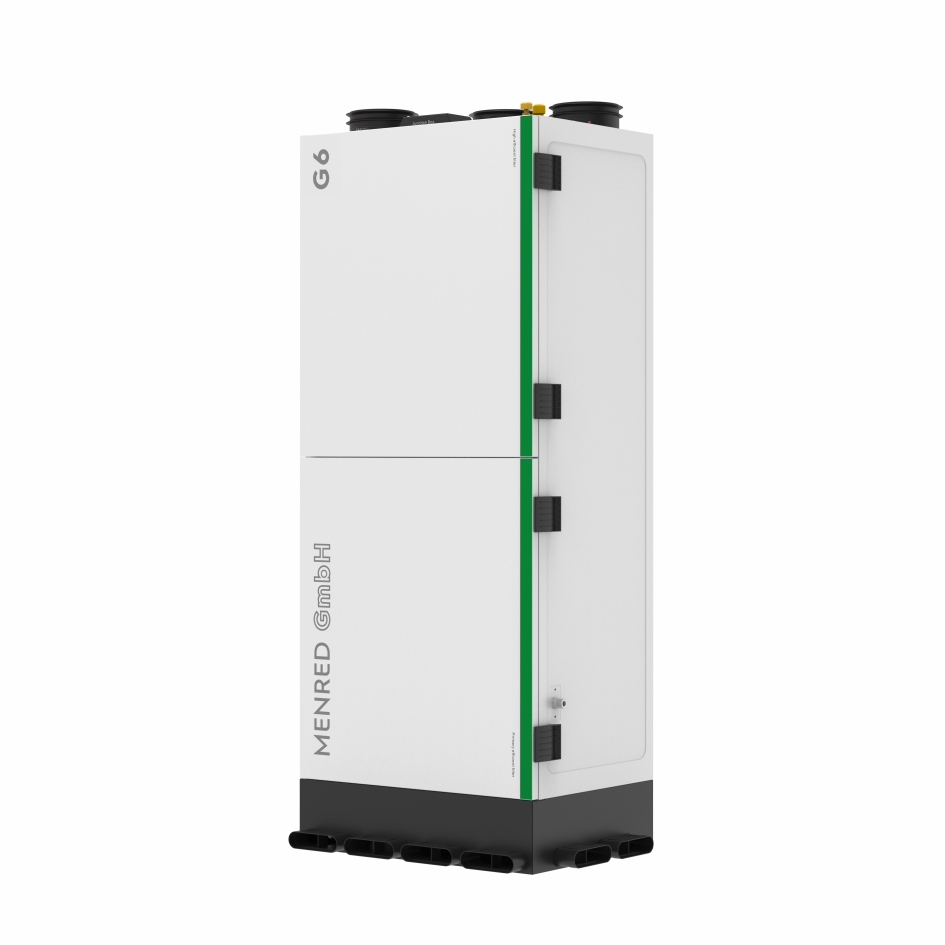
MENRED NET ventilator is suitable for applications in a wide range of commercial, institutional, and educational buildings, regardless of their size and location. Our HRVs can support air volumes up to 3000 m³/h, and provide exceptional versatility and energy efficiency benefits. MENRED HRVs are the perfect choice for building owners and facility managers who prioritize energy efficiency, reliability, and indoor air quality. Contact us today to learn more about how our HRVs can benefit your commercial, institutional or educational building.

MENRED NET ventilators are highly versatile and can be used in a variety of commercial, institutional, and educational buildings of any size and location. They are easy to install, offer high reliability, and are incredibly flexible and energy-efficient, saving building owners and facility managers money.

As buildings become more airtight, indoor air quality becomes increasingly important. MENRED HRVs provide the cleaner and healthier indoor air necessary to enhance Indoor Air Quality (IAQ), making them an essential part of any commercial, institutional or educational building.

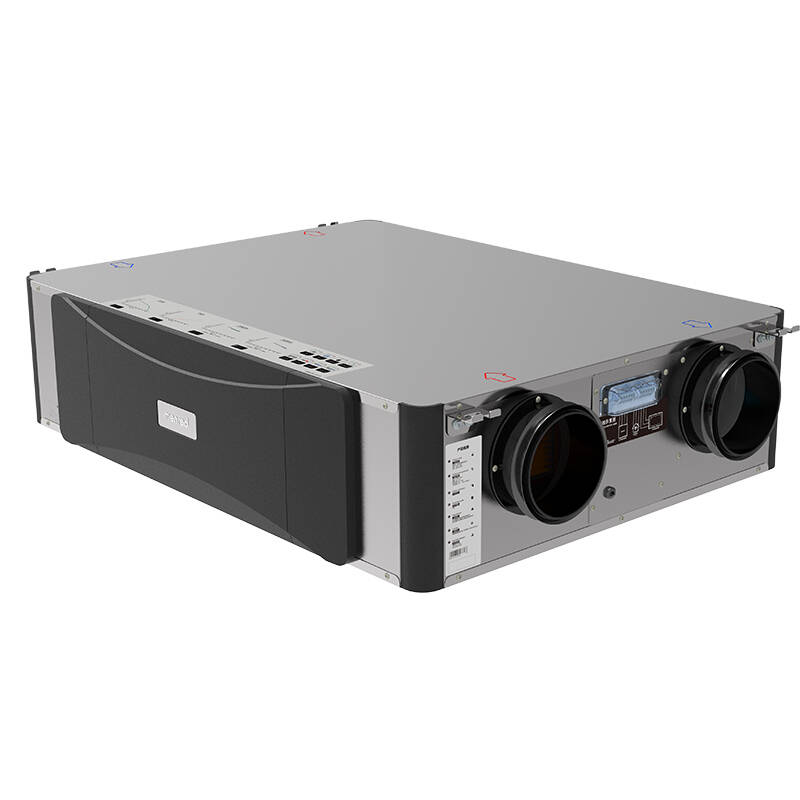
The MENRED Net Series heat recovery ventilator is an excellent choice for residential, office, and villa applications. The system can be used with either floor or ceiling fresh air systems and features a large-size rhombic counterflow paper total heat exchange core capable of exchanging both temperature and enthalpy.

Our heat recovery ventilator is small, thin, and lightweight with a compact structure, making it easy to install in small spaces and convenient for customers to maintain. It provides excellent energy efficiency and space-saving benefits without sacrificing air quality, making it the perfect choice for any application.


Features:

1. A three-phase fan designed to deliver the necessary torque and airspeed for long-distance air delivery. This powerful fan provides robust and reliable performance, ensuring optimal ventilation and air circulation in commercial settings.

2. High energy efficiency with improved heat exchange efficiency across the board: Single membrane exchange core module size 600x600x550mm, 3 groups of membrane exchange cores, total spread area 110m2, air volume up to 5000m³/h

3. Air flow direction: Independent dual channels for more efficient heat exchange

4. G4 coarse filter: Dust, feathers and other large particles PM10 filtration efficiency of 90% or more (Recommendation: Replace every 6 months)

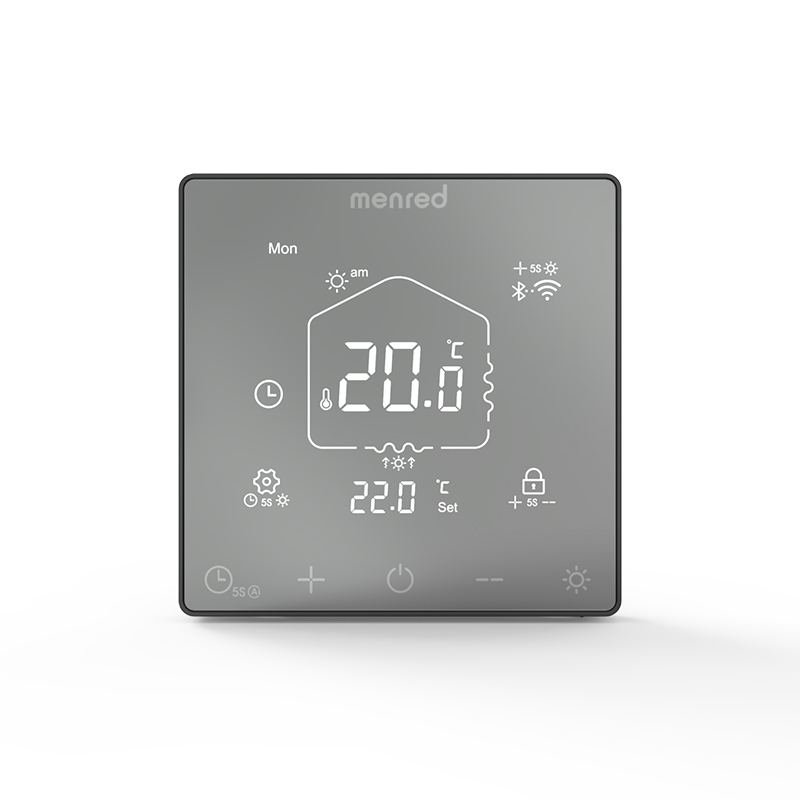
5. Controls system: LCD controller.

6. Filtering system: USA imported electrostatic adsorption material.

Selection Table

ModelNET.800NET.1000SNET.1500NET.2000NET.2500NET.3000
Voltage(V/Hz))220/50220/50220/50220/50220/50220/50
Air volume(m³/h)800/700/60010001500/1200/11002000/1600/12002500/2000/15003000/2300/1700
Power(W)615/510/415620690/566/4871050/923/8531545/1190/9572000/1540/1160
Noise(dB(A))52/49/455455/53/4756/54/4857/55/4958/56/49
Weigh(KG)6396168.5161211217
Filter modelF021F1166F029F044F045F045
Filter amount446466


FAQs

How does an ERV fit into the MENRED Wuheng Climate System? How does an ERV fit into the MENRED Wuheng Climate System?
The MENRED Wuheng Climate System takes an integrated approach to indoor climate by coordinating temperature control, humidity management, fresh air, cleanliness, and quietness.
Read More
Can an ERV work with radiant heating and cooling? Can an ERV work with radiant heating and cooling?
Yes. An ERV can work alongside radiant heating and cooling as part of an integrated indoor climate system.
Read More
How often should an ERV be serviced? How often should an ERV be serviced?
Routine maintenance generally includes checking filters, inspecting the heat or enthalpy exchange core, checking fans and accessible air passages, and verifying that supply and exhaust airflow remain appropriate.
Read More
How often should ERV filters be replaced? How often should ERV filters be replaced?
Filter maintenance intervals depend on the filter type, outdoor air quality, operating hours, and the manufacturer's instructions.
Read More
Can an ERV be installed in an existing home? Can an ERV be installed in an existing home?
Yes. Depending on the building layout and the selected model, an ERV may be suitable for retrofit projects as well as new construction.
Read More
Is an ERV noisy? Is an ERV noisy?
ERVs contain fans and moving air, so some operating noise is unavoidable. The perceived noise depends on fan speed, unit design, installation quality, duct sizing, airflow velocity, vibration isolation, and the location of the unit.
Read More
Where should an ERV be installed? Where should an ERV be installed?
The installation location depends on the ERV model, building layout, duct routing, outdoor air intake and exhaust locations, and access requirements.
Read More
How do I choose the right ERV for my home? How do I choose the right ERV for my home?
Start with the required ventilation airflow, then evaluate the unit's delivered airflow at the planned external static pressure, recovery performance, filtration, sound levels, dimensions, power consumption, controls, and maintenance access.
Read More
Does an ERV provide clean air without opening windows? Does an ERV provide clean air without opening windows?
An ERV can provide a controlled supply of outdoor air while reducing the need to open windows solely for ventilation.
Read More
Can an ERV remove PM2.5, dust, and pollen? Can an ERV remove PM2.5, dust, and pollen?
An ERV can reduce incoming airborne particles when equipped with suitable filters. Its effectiveness depends on the filter's tested efficiency, the particle size, sealing, airflow, and filter maintenance.
Read More
Can an ERV reduce indoor CO₂ levels? Can an ERV reduce indoor CO₂ levels?
An ERV can help reduce indoor carbon dioxide (CO₂) concentrations by replacing CO₂-rich indoor air with outdoor air, provided that the outdoor airflow and air distribution are adequate for the occupancy.
Read More
How much fresh air does a home need? How much fresh air does a home need?
Required outdoor airflow depends on the applicable building code, occupancy, floor area, room use, and the ventilation design standard used for the project.
Read More
Is an ERV suitable for hot and humid climates? Is an ERV suitable for hot and humid climates?
An ERV can be part of a ventilation strategy for hot and humid climates, but the design must account for both heat and moisture loads.
Read More
Does an ERV work in both summer and winter? Does an ERV work in both summer and winter?
Yes. An appropriately designed ERV can operate in both heating and cooling seasons.
Read More
Can an ERV control indoor humidity? Can an ERV control indoor humidity?
An ERV with an enthalpy exchange core can transfer moisture between incoming and outgoing air streams. This may help moderate indoor humidity, but it does not actively remove moisture in the same way as a dedicated dehumidifier.
Read More
Does an ERV save energy? Does an ERV save energy?
An ERV can reduce the energy required to condition outdoor ventilation air by recovering part of the heat and, where applicable, moisture from the exhaust air.
Read More
What is the difference between an ERV and a standard exhaust fan? What is the difference between an ERV and a standard exhaust fan?
A standard exhaust fan removes indoor air but does not normally recover energy from it. Replacement outdoor air must enter through designed inlets or other openings, and its temperature and moisture can add to the building's heating or cooling load.
Read More
What is the difference between an ERV and an HRV? What is the difference between an ERV and an HRV?
An HRV (Heat Recovery Ventilator) primarily transfers sensible heat between incoming and outgoing air. An ERV (Energy Recovery Ventilator) can transfer sensible heat and moisture when equipped with an enthalpy exchange core.
Read More
How does an ERV system work How does an ERV system work
An ERV draws outdoor air into the building and exhausts stale indoor air through separate air passages. Inside the energy recovery core, heat and moisture can transfer between the two air streams without intentionally mixing the bulk air streams.
Read More
What is an Energy Recovery Ventilator (ERV)? What is an Energy Recovery Ventilator (ERV)?
An Energy Recovery Ventilator (ERV) is a mechanical ventilation system that supplies outdoor air and exhausts stale indoor air while transferring heat and, in enthalpy recovery systems, moisture between the two air streams.
Read More
What is the difference between an ERV and a dehumidifier? What is the difference between an ERV and a dehumidifier?
An ERV primarily provides controlled ventilation and energy recovery. A dehumidifier primarily removes moisture from indoor air.
Read More
Can an ERV control indoor humidity? Can an ERV control indoor humidity?
An ERV can transfer moisture between incoming and outgoing air depending on its core technology and operating conditions.
Read More
Ventilator Common Troubleshooting Ventilator Common Troubleshooting
1.The host does not run (1) Check whether the power supply is normal (2) check whether the power connected to the machine is open (3) confirm whether the machine is in the power on state (4) confirm whether the fuse is damaged 2. High noise (1) Check whether the host is firmly installed (2) check whether the host anti-vibration pad has been added (3)Check whether the motor is faulty (4)Check whether the cartridge needs to be replaced (5) Check whether the outdoor air outlet is blocked 3. Small air volume (1) Check whether the outdoor air outlet is blocked (2) Check whether the filter needs to be replaced (3) Check whether the indoor air outlet needs to be adjusted
Read More
Why Does Our Home Need an ERV Ventilation System? Why Does Our Home Need an ERV Ventilation System?
Fresh air is not just about breathing better. It is an essential part of creating a comfortable, healthy, and durable home.
Read More
How to choose the suitable type of ventilator? How to choose the suitable type of ventilator?
If the area of a computer room is 60 sq meter(S=60), the net height is 3 meters(H=3), and there are 10 persons(N=10) in it. If it is calculated according to “Personal fresh air consumption”, and assume that:Q=70, the result is Q1=N*Q=10*70=700m³/h If it is calculated according to “Air change per hour”, and assume that: P=5, the result is Q2=P*S*H=5*60*3=900m³/h Since Q2>Q1,Q2 is better for selecting the unit. As to special industry such as hospitals(surgery and the special nursing rooms), labs, workshops, airflow required should be determined in conformity with regulations concerned.
Read More
Contact

MENRED Group

Economy Park HQs, Yueqing City, China.

MENRED GmbH

Weisswasser Germany

MENRED Green Building Industrial Park

Lingkun Island,Wenzhou City,Zhejiang China.

MENRED Enviro-Tech Industrial Park

Nanhu District, Jiaxing City, Zhejiang China.