sales@menred.com Deutsch Deutsch 中文 中文
MENRED IEU Series All-in-One Air System

MENRED IEU Series All-in-One Air System MENRED IEU Series All-in-One Air System MENRED IEU Series All-in-One Air System MENRED IEU Series All-in-One Air System

MENRED IEU Series All-in-One Air System
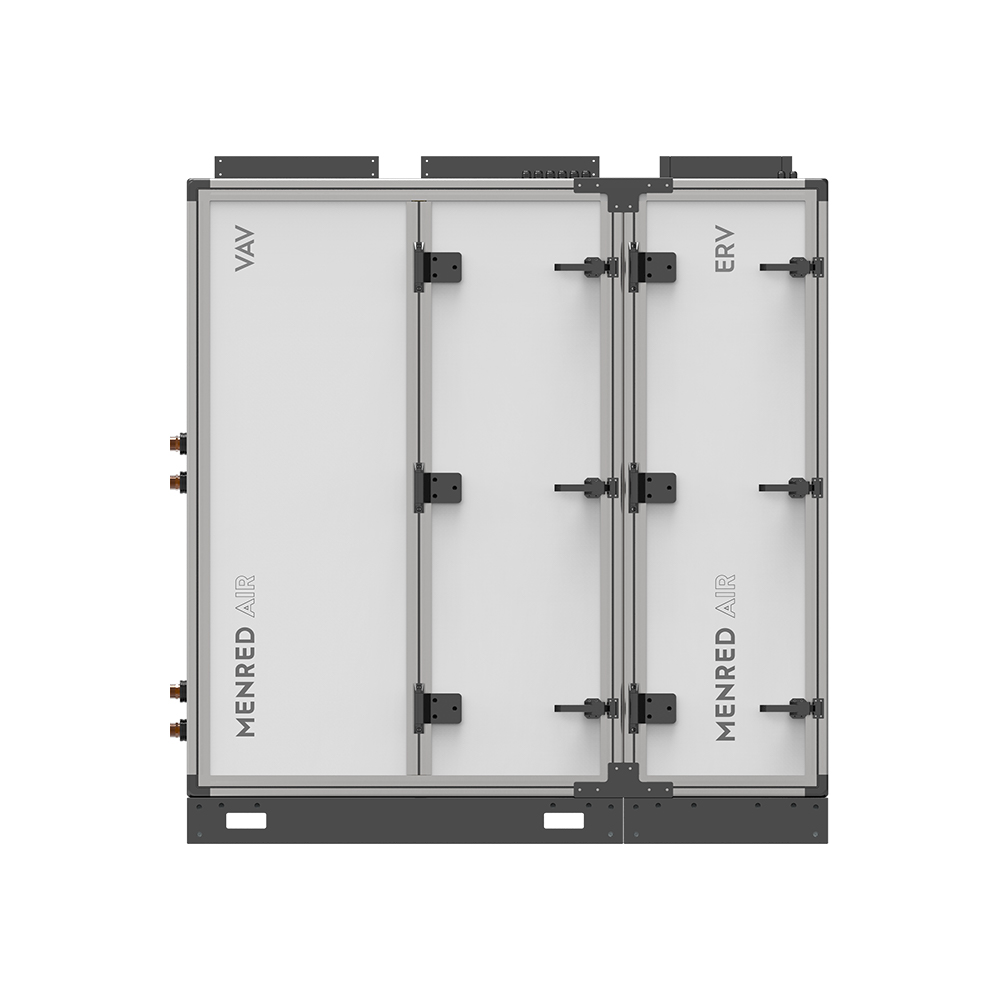
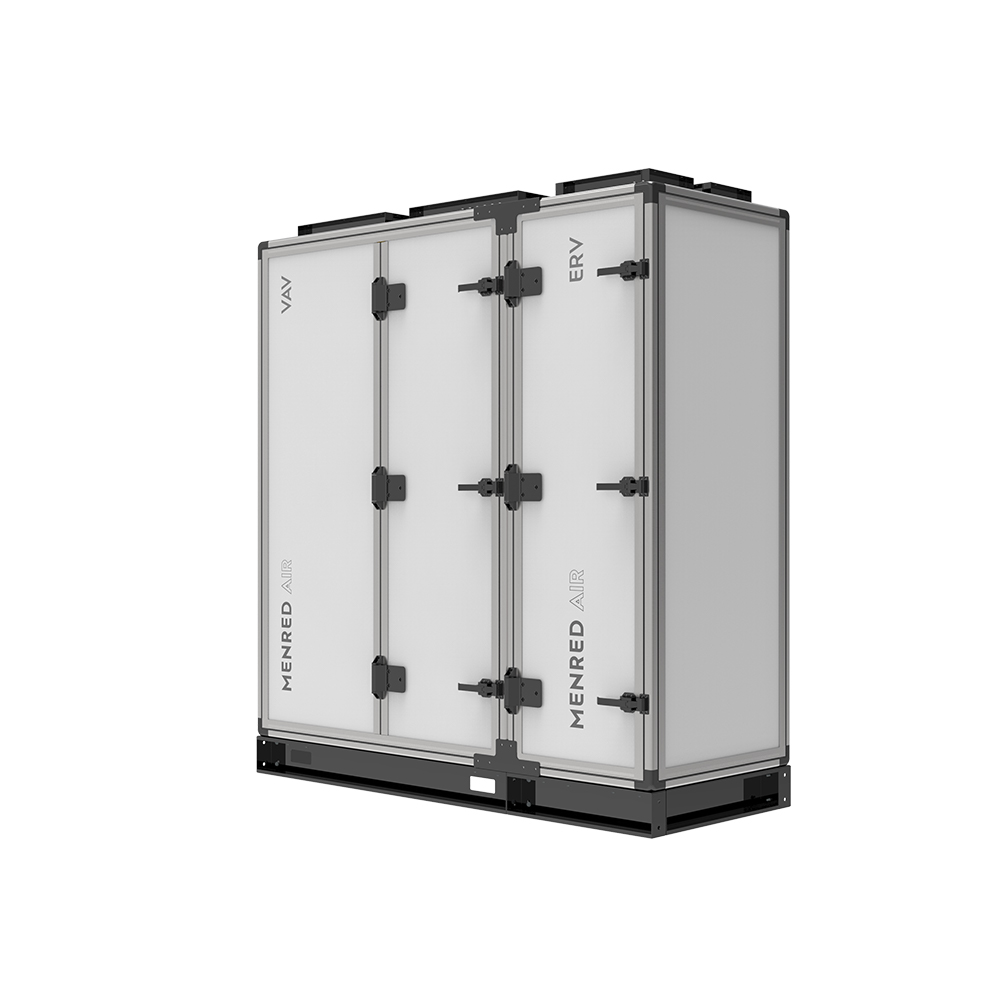
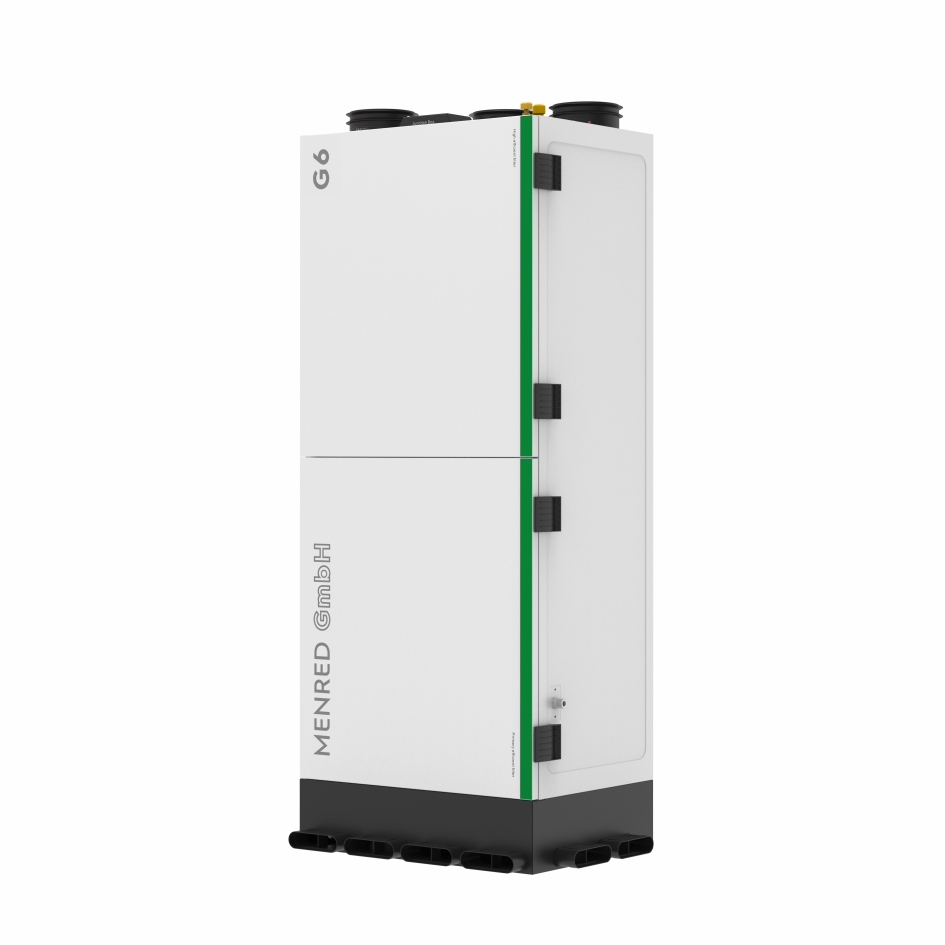
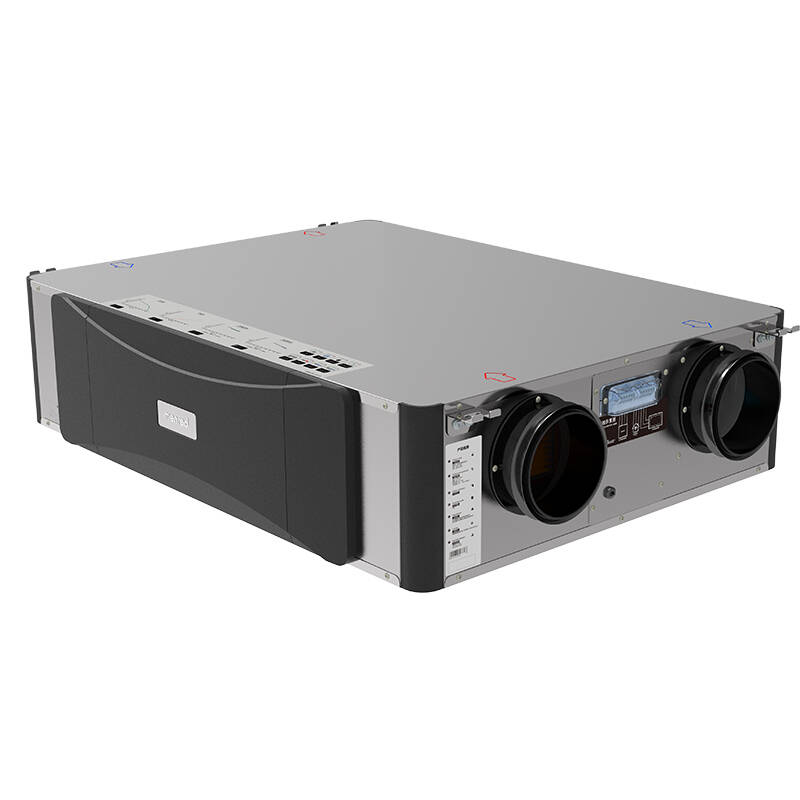
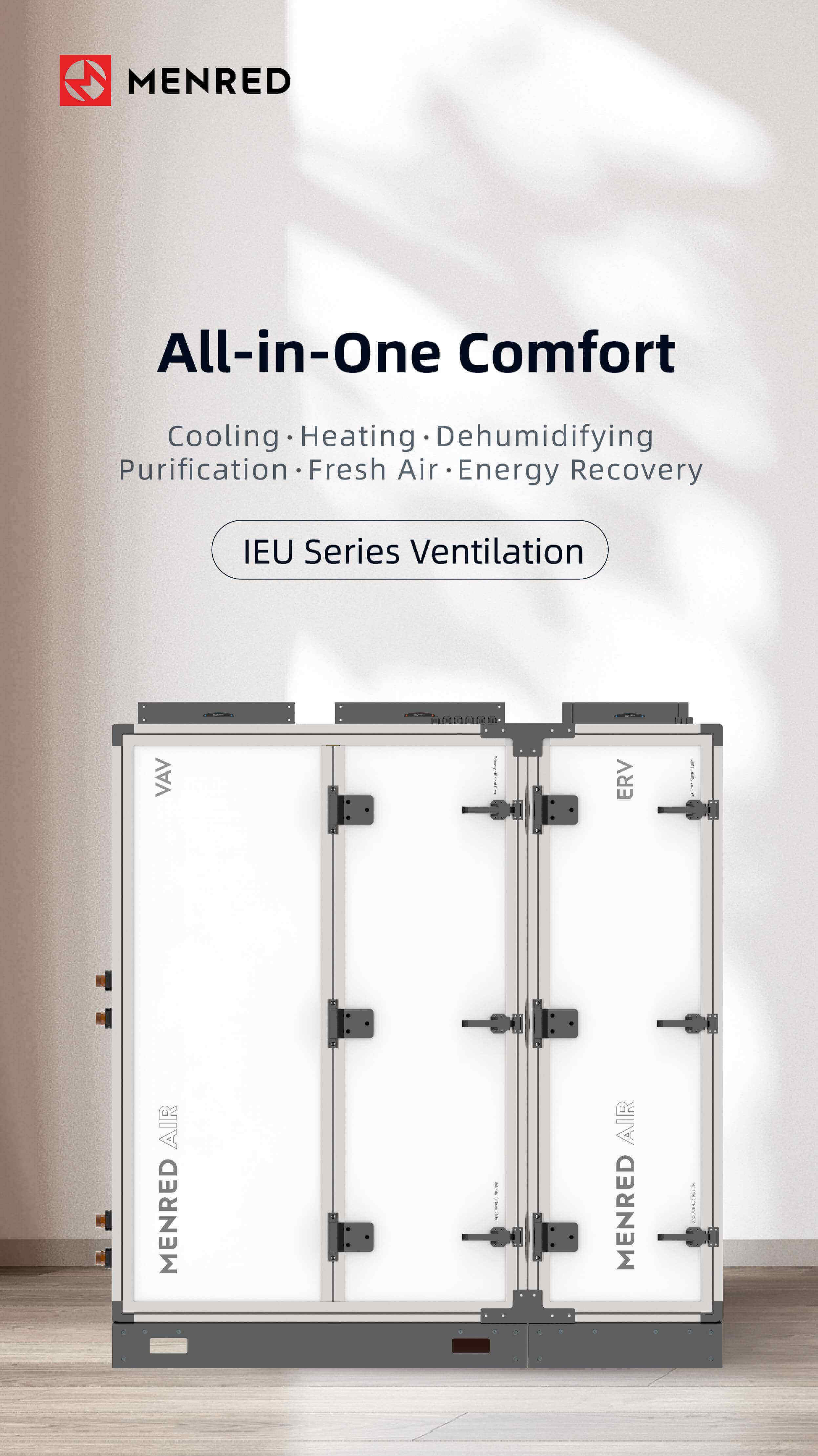
MENRED IEU Series Air system is 5-in-1 HVAC solution, it with cooling, Heating, Dehumidifying, Purifying & Fresh Air. Engineered for residential, commercial, and light-industrial spaces, this all-in-one solution delivers powerful performance, whisper-quiet operation, and smart connectivity to keep your environment healthy and energy-efficient.

Core Technologies & Benefits

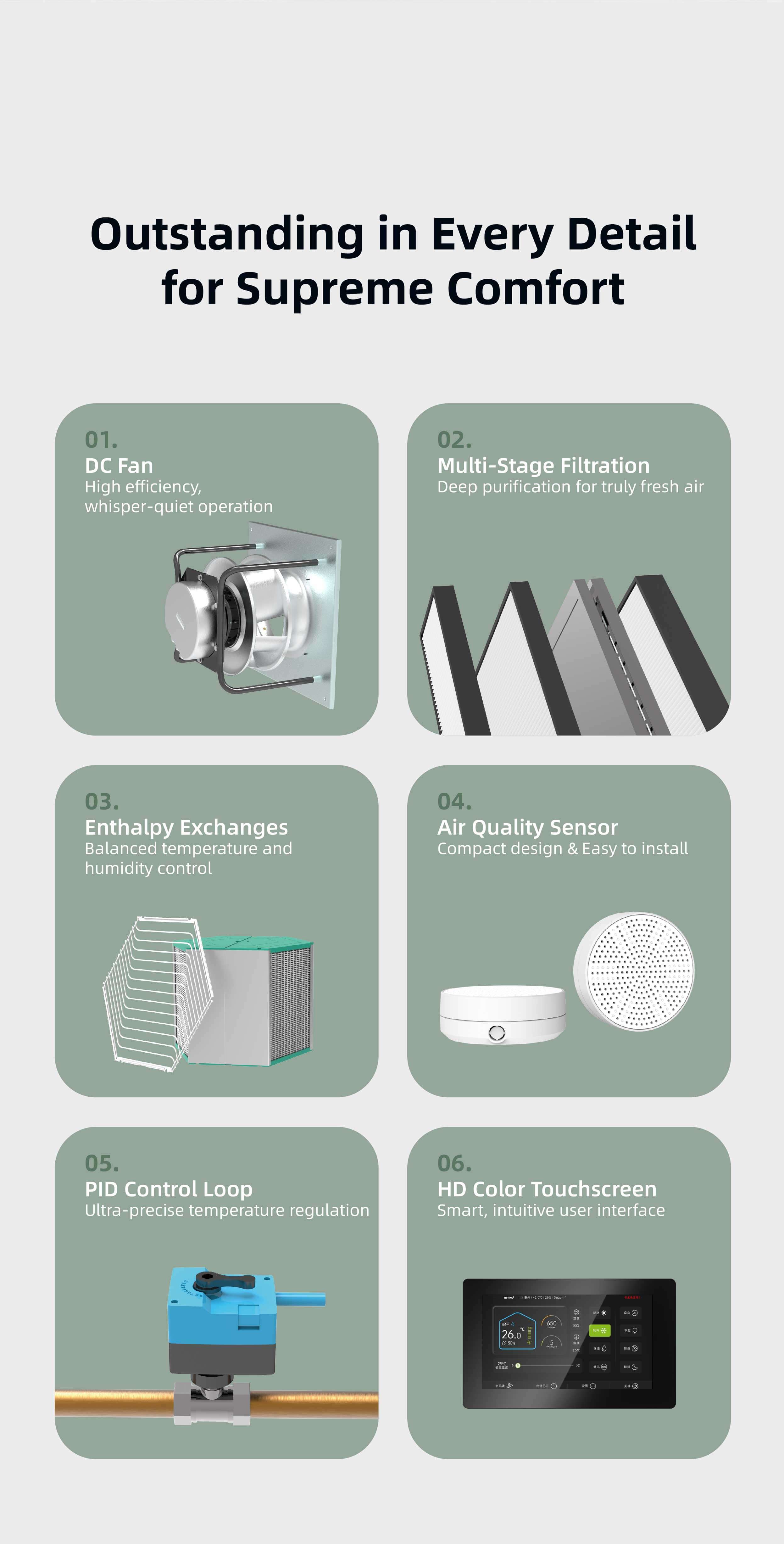
The IEU Series combines six advanced core technologies for ultimate indoor climate control:
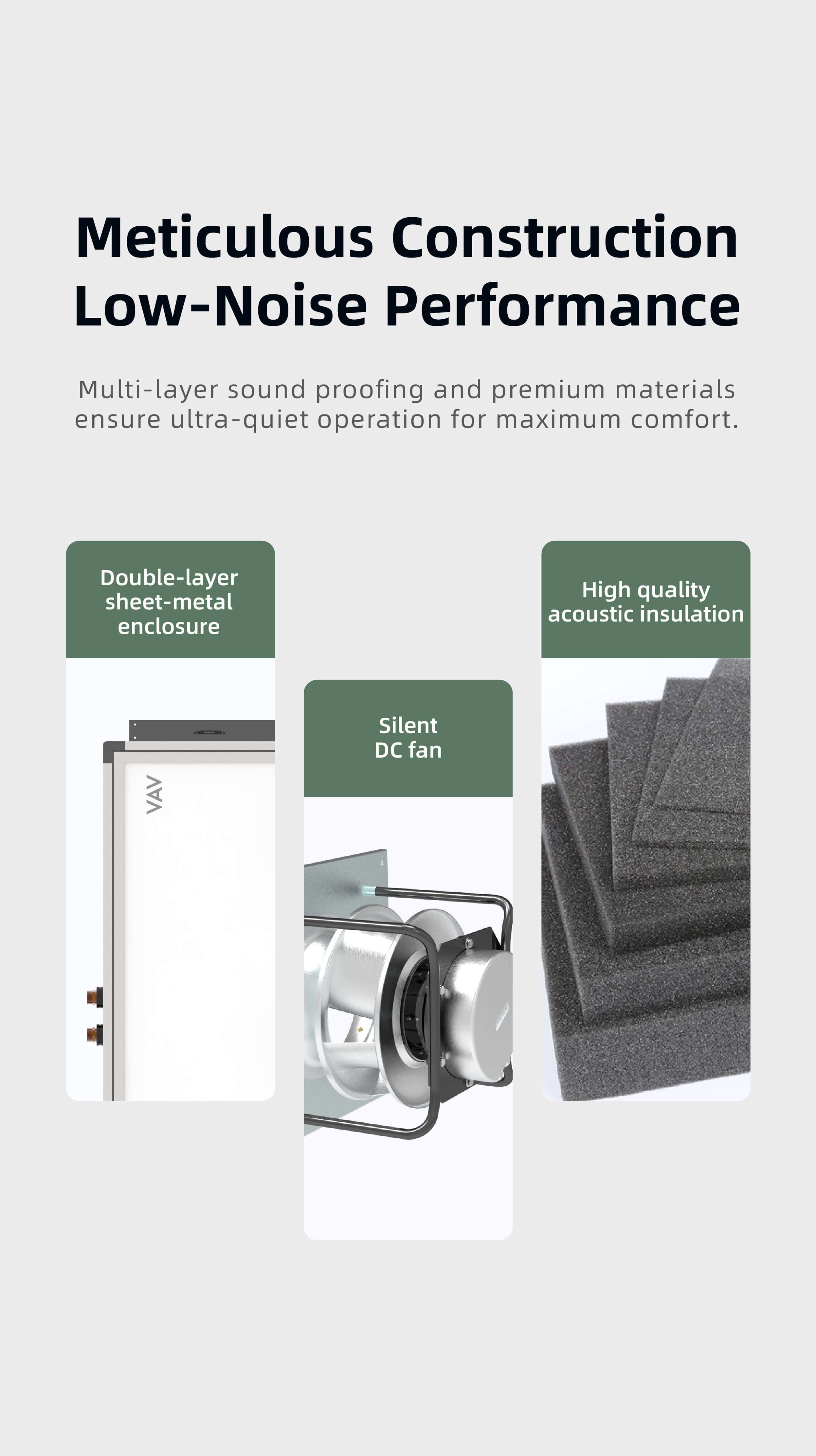
1. DC Fan Motor: High-efficiency, ultra-quiet operation supported by double-layer sheet-metal housing and imported acoustic insulation, reducing noise levels to just 45 dB(A).
2. Multi-Stage Filtration: Initial, medium, and high-efficiency filters remove >90 % of circulating dust and >97 % of incoming PM2.5, ensuring every breath is clean.
3. Enthalpy Heat Exchange: Balanced temperature and humidity management with enthalpy efficiencies of up to 78 % in heating and 65 % in cooling, lowering energy consumption.
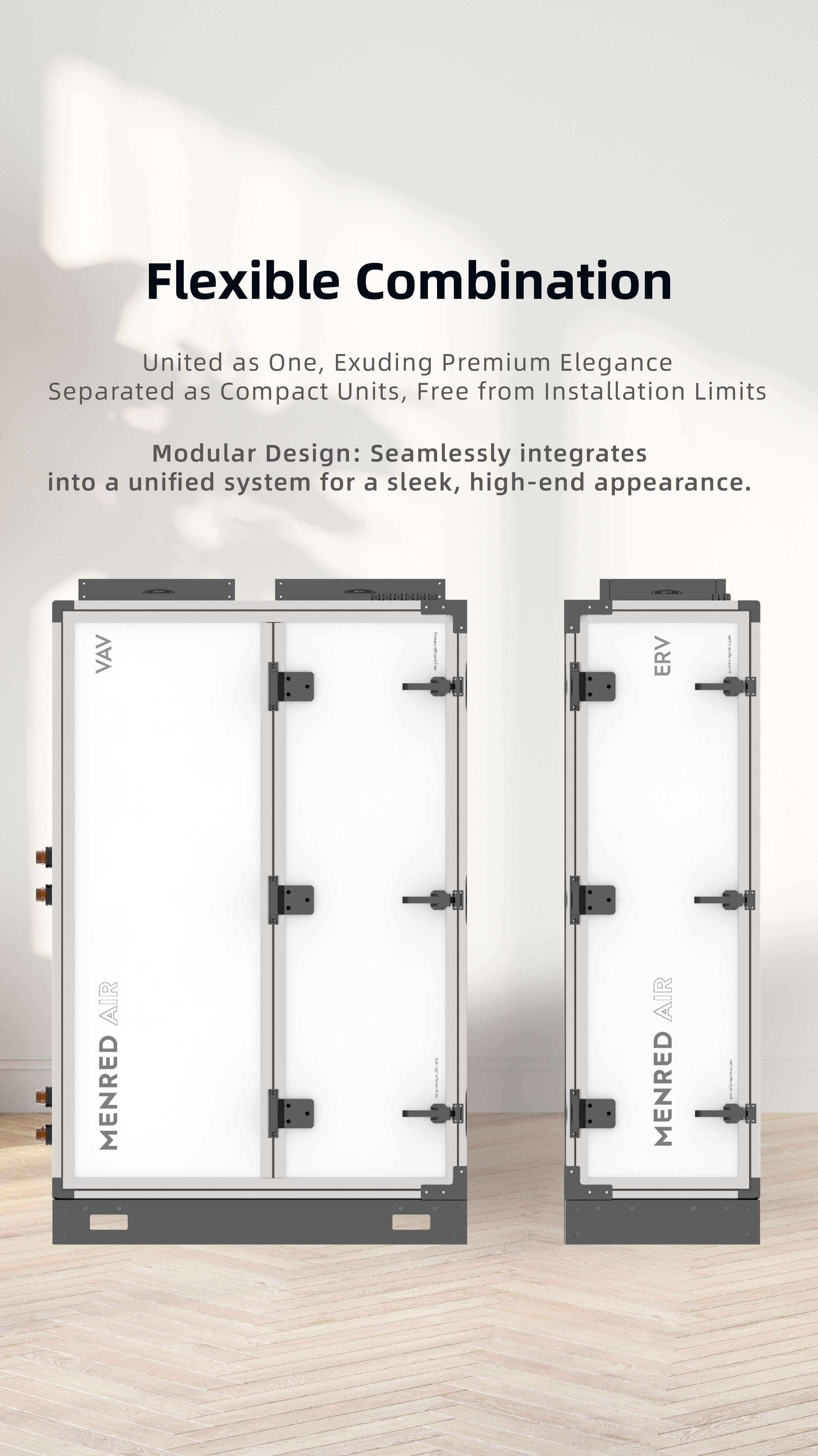
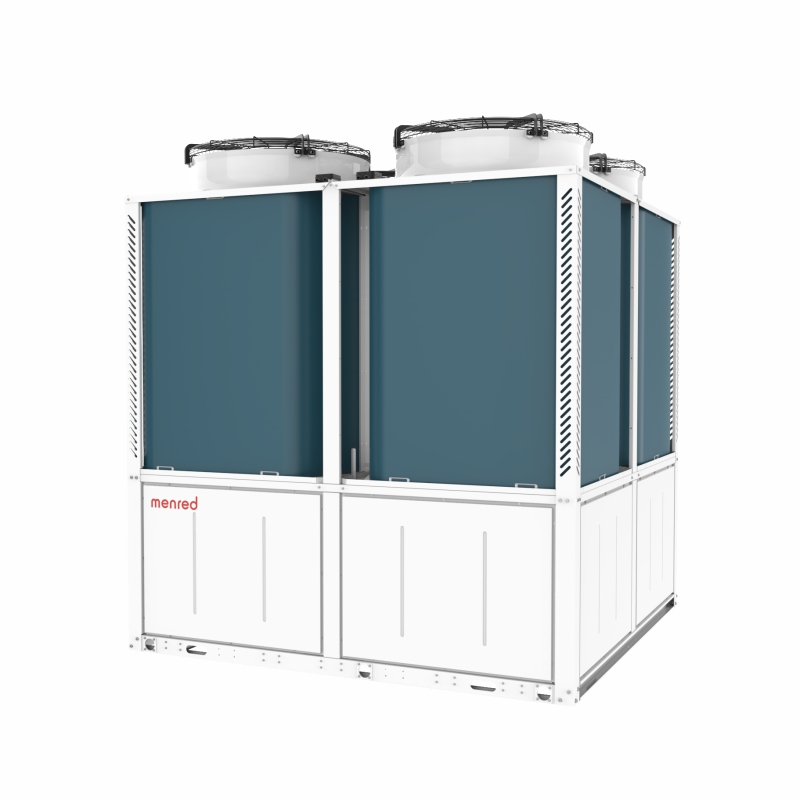
4. Compact & Lightweight Design: At 1615 × 650 × 1730 mm and 285 kg, the IEU Series fits tight mechanical rooms and ceiling spaces without compromise.
5. PID Control Loop: Precision temperature regulation (± 0.5 °C) for stable, comfortable conditions.
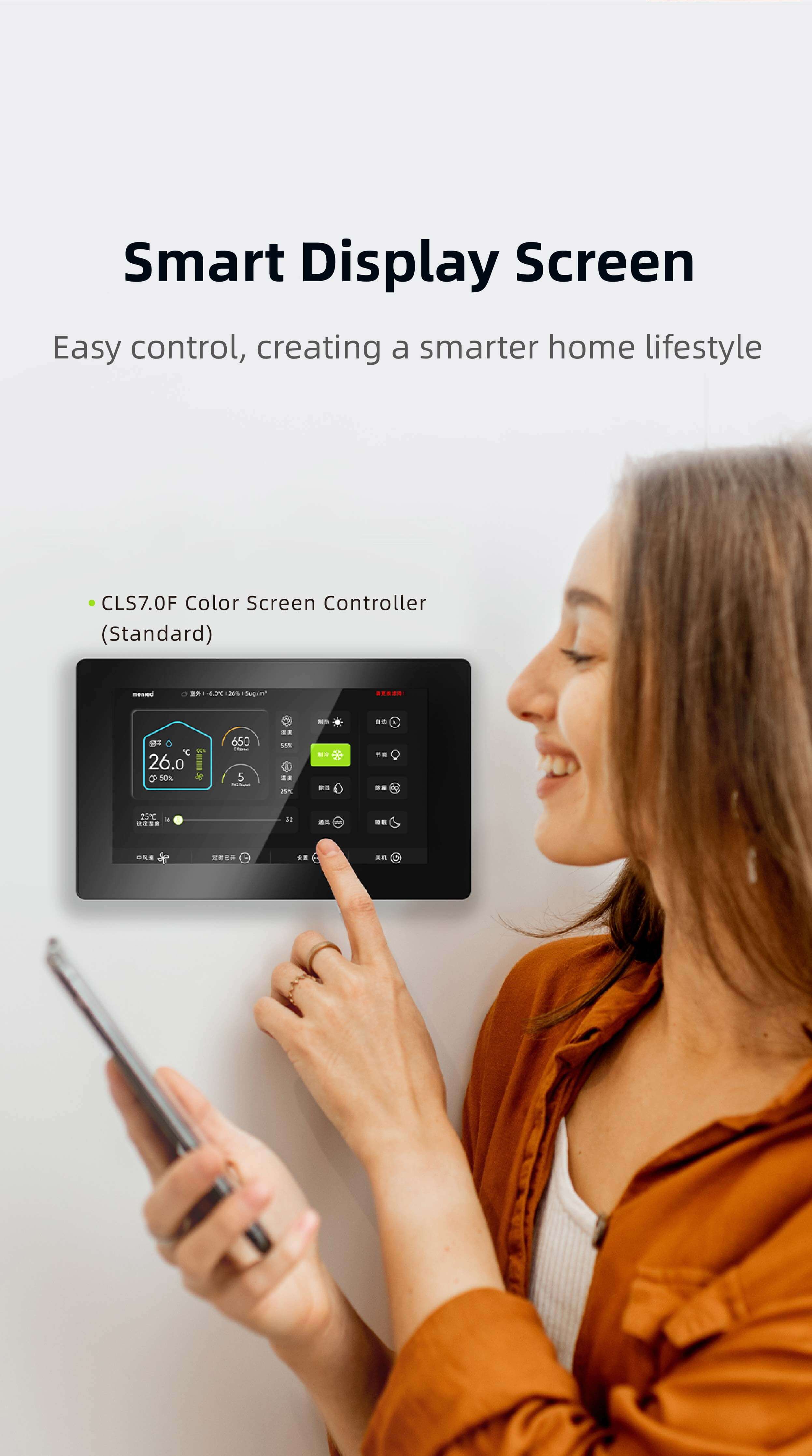
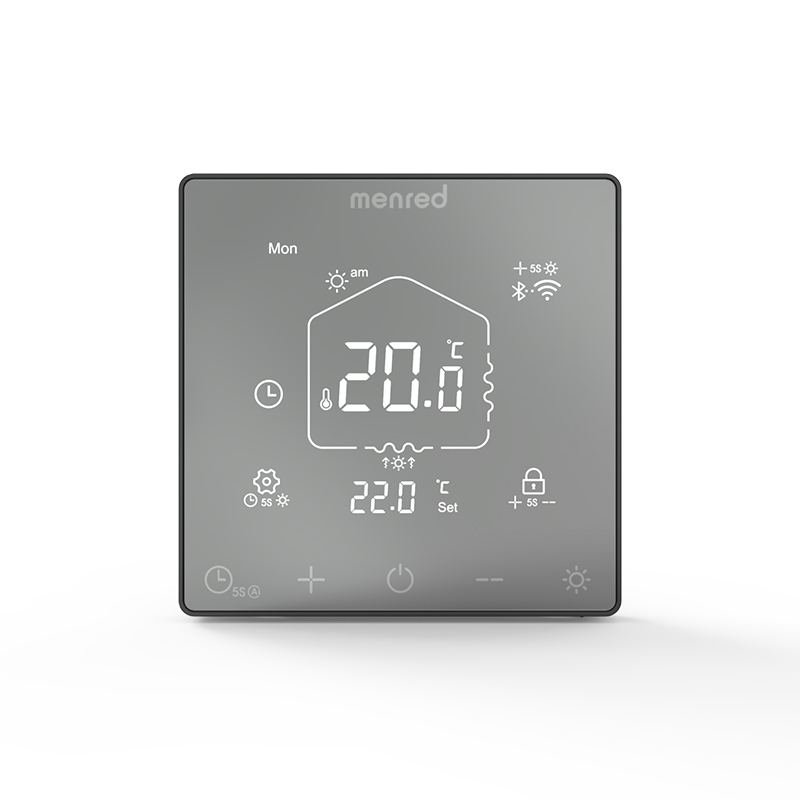
6. HD Color Touchscreen: The CLS7.0F controller provides intuitive, on-unit adjustments and real-time monitoring.


High-Performance Airflow

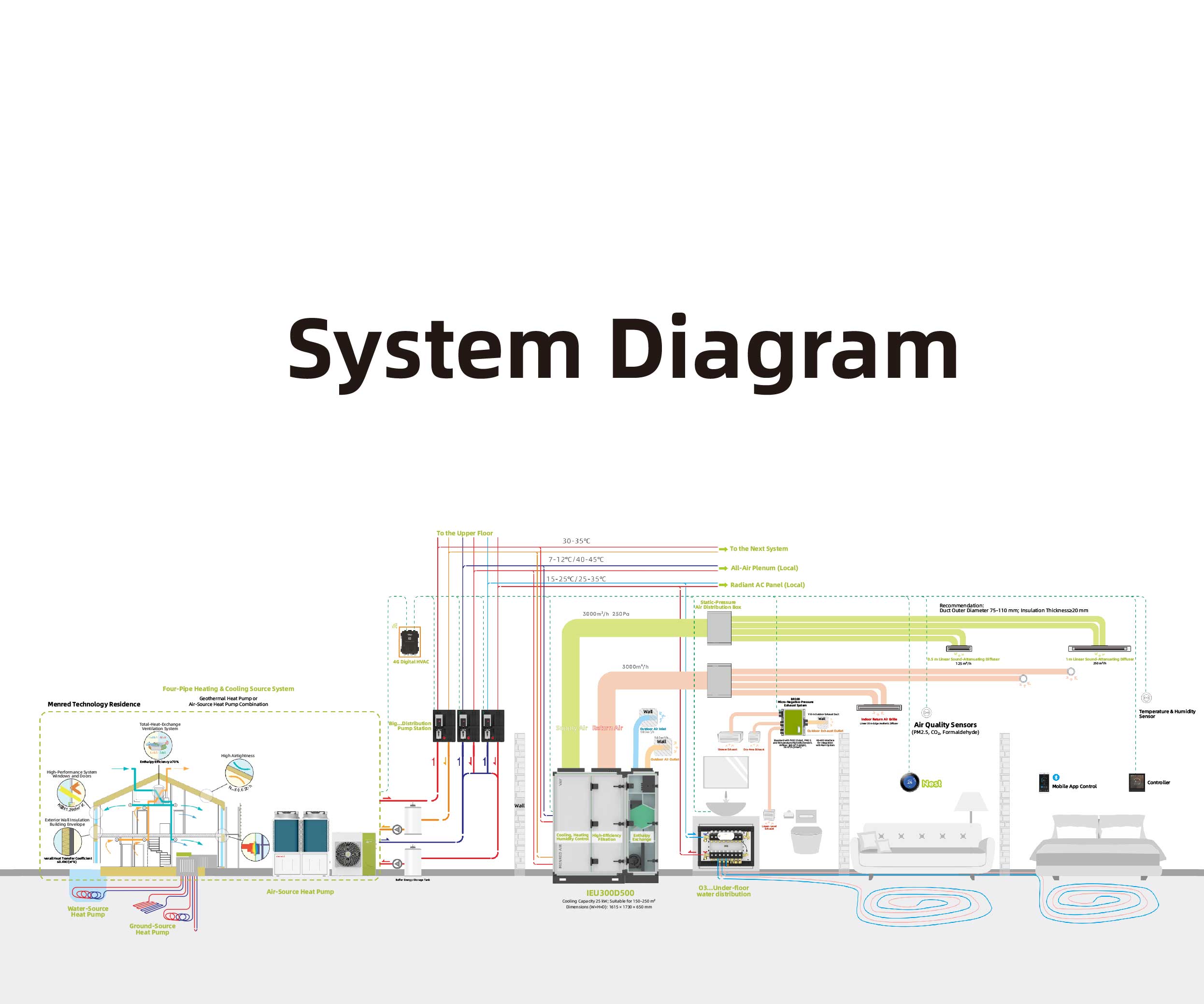
- Indoor Supply Air: 3000 m³/h of conditioned air to maintain consistent comfort.
- Internal Circulation Air: 2500 m³/h for rapid moisture removal and air mixing.
- Outdoor Fresh Air: 500 m³/h to dilute indoor pollutants and replenish oxygen.
- Exhaust Air: 500 m³/h to expel stale air and maintain balanced pressure.


Smart Sensing & Connectivity

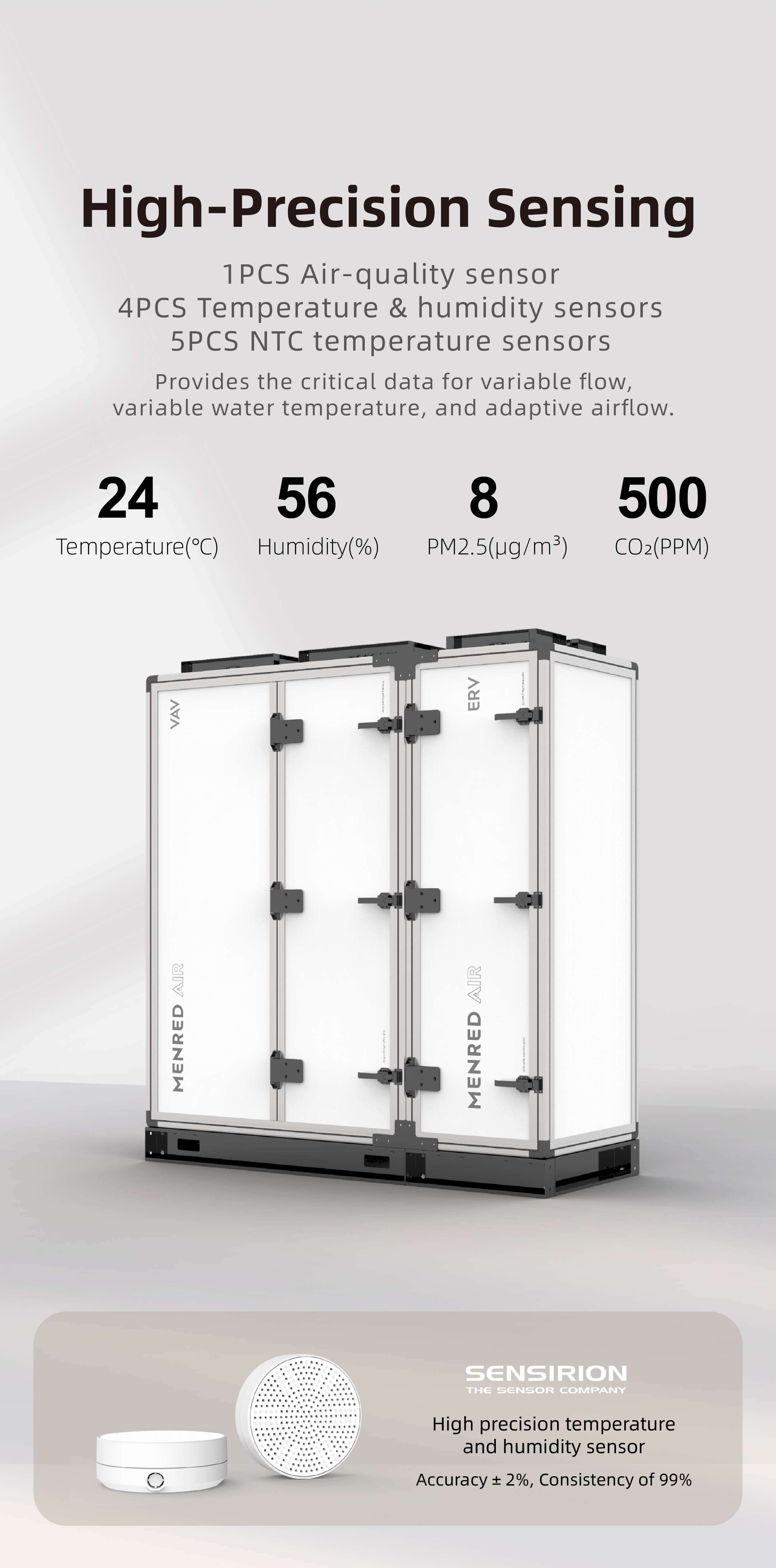
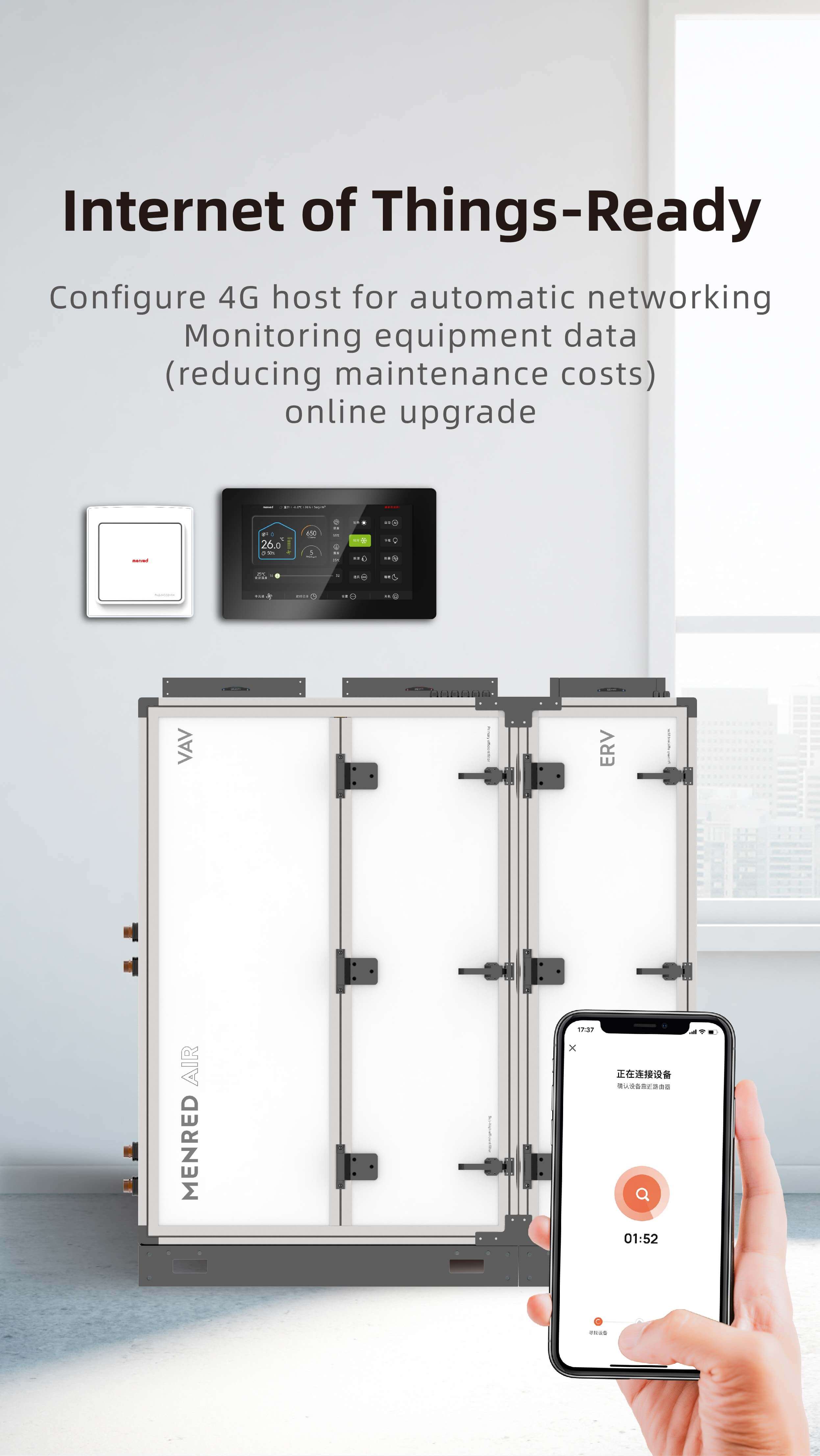
A suite of high-precision sensors delivers the data needed for adaptive control: one air-quality sensor, four temperature/humidity sensors, and five NTC temperature sensors. Accuracy is ± 2 % with 99 % consistency, capturing metrics such as 24 °C, 56 % RH, PM2.5 levels, and CO₂ at 500 ppm.Built-in 4G connectivity and support for Modbus and dry-contact networking allow remote monitoring, over-the-air firmware updates, and integration with building management systems.


Modular Flexibility

Whether you need a standalone solution or a scalable network, the IEU Series adapts:

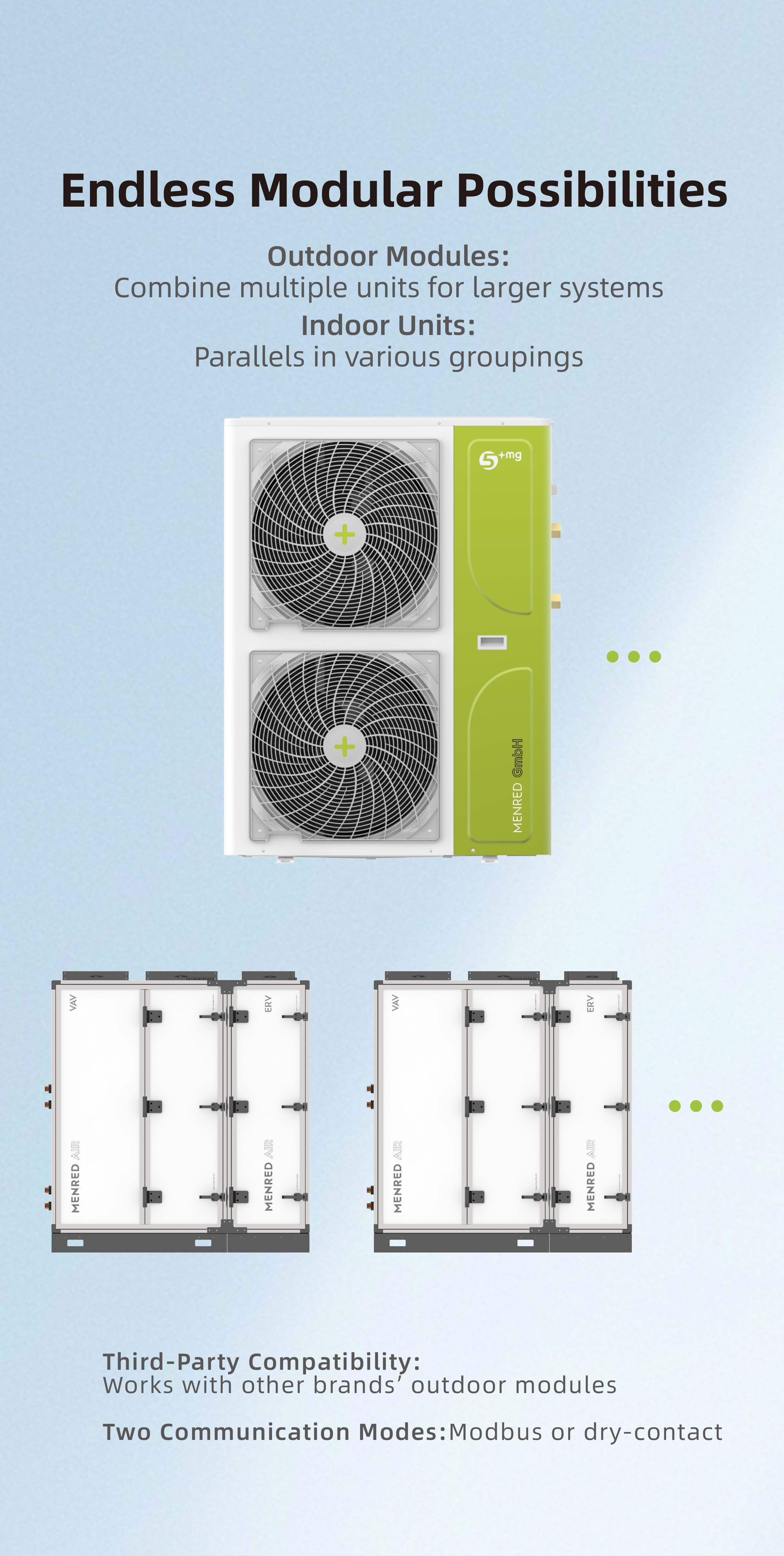
- Outdoor Modules: Multiple units can be paralleled to increase capacity or phased for redundancy.

- Indoor Units: Configurable in series or parallel to suit various floor plans.

- Third-Party Compatibility: Works seamlessly with other brands’ outdoor modules, giving you freedom in design and budgeting.


Technical Specifications at a Glance

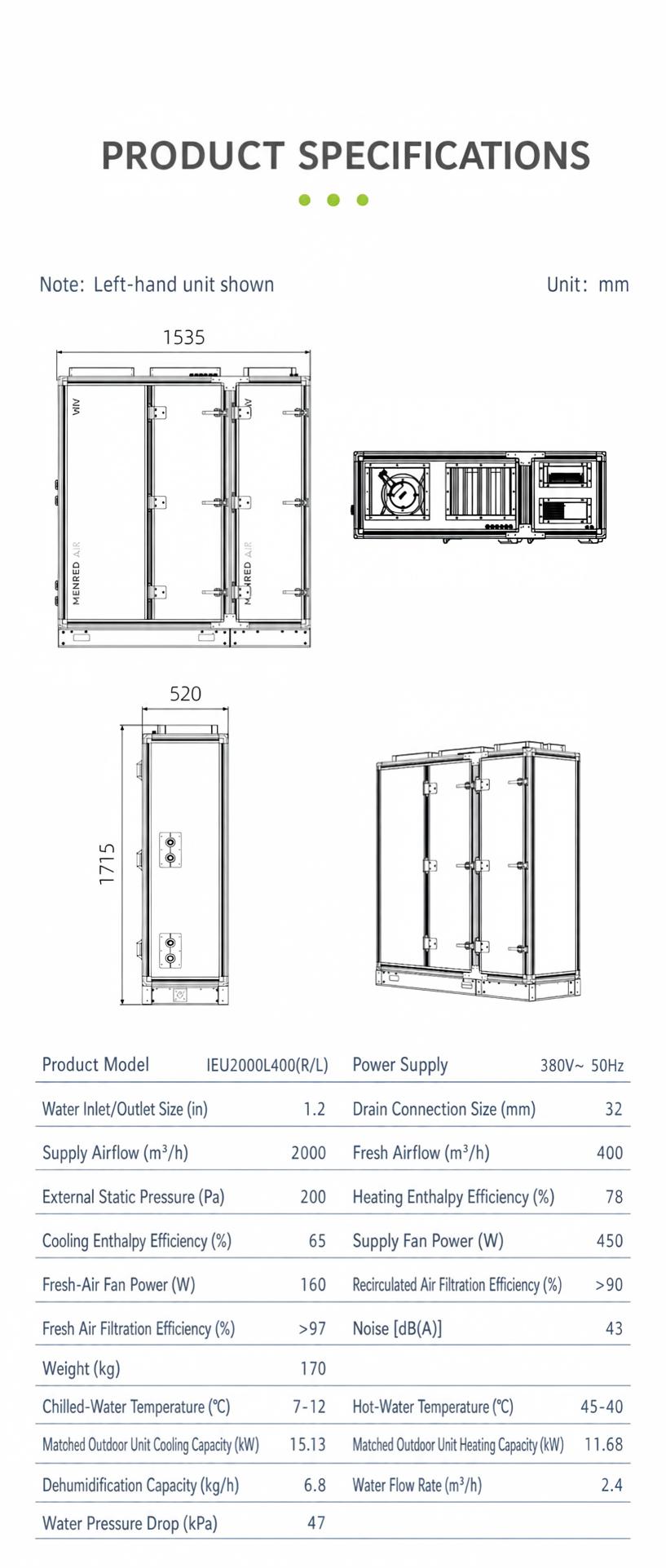
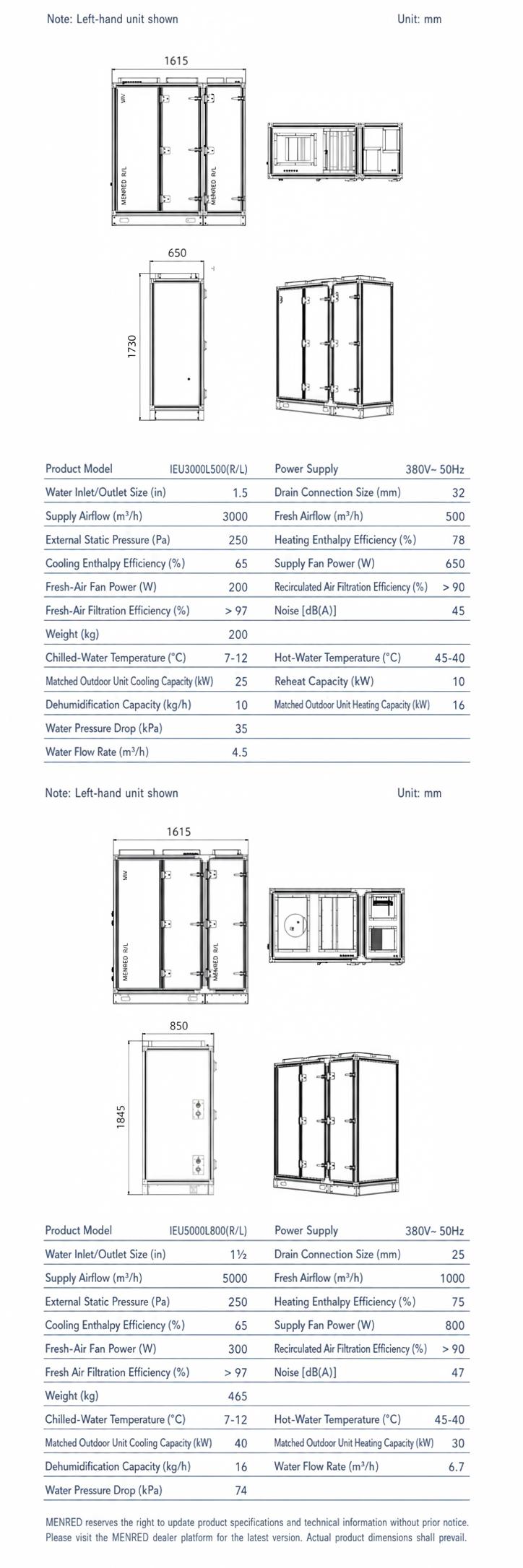
- Model: IEU3000L500(R/L)

- Power Supply: 380 V ~ 50 Hz

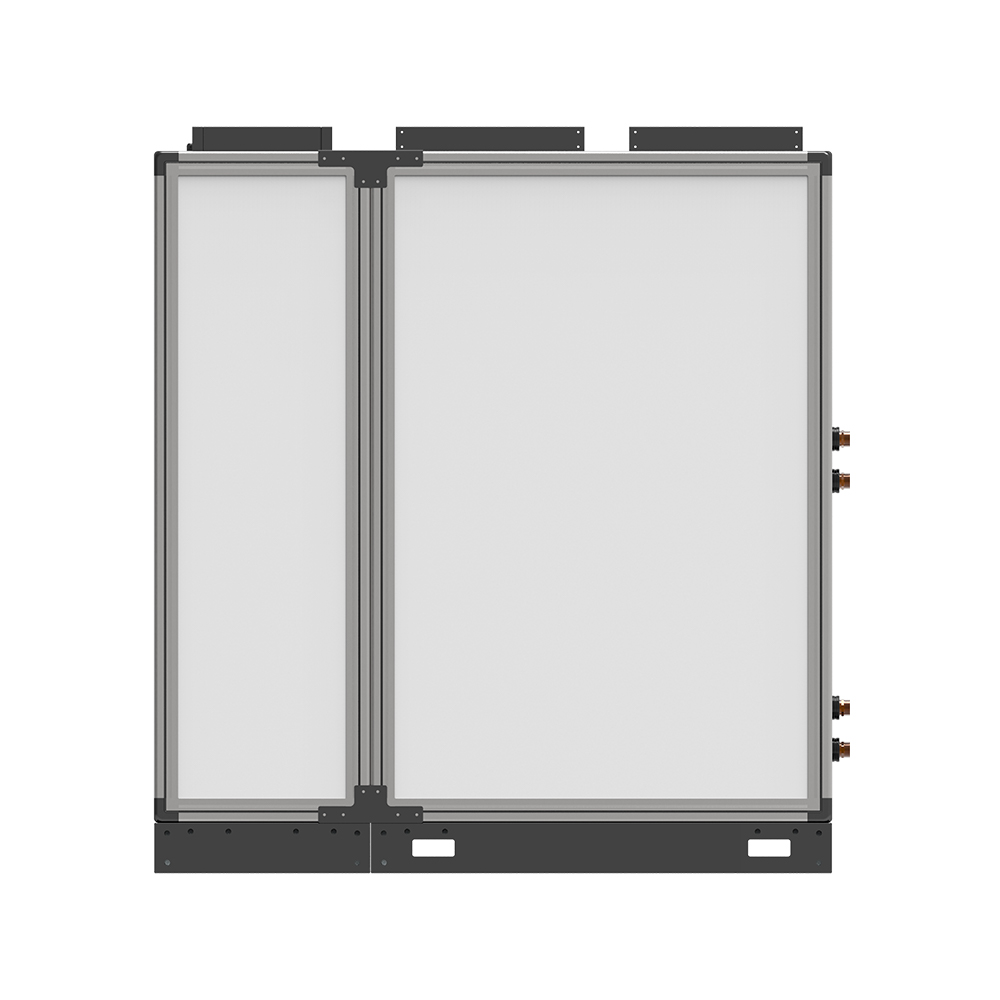
- Dimensions (WxDxH): 1615 × 650 × 1730 mm

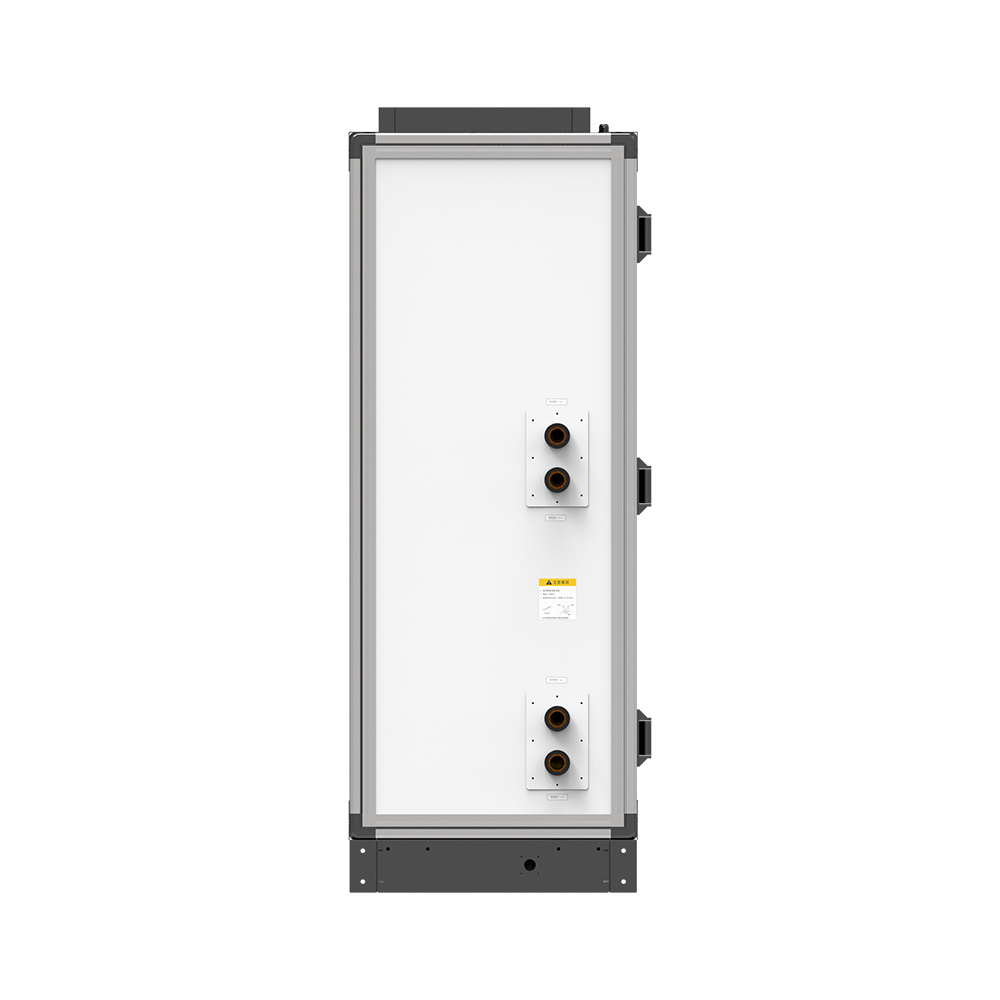
- Water Inlet/Outlet & Drain: 1.5 in, drain: 32mm

- Matched outdoor-unit cooling capacity: 25 kW

- Matched outdoor-unit heating capacity: 16 kW

- Reheat capacity: 10 kW

- Dehumidification: 10 kg/h | Water Flow: 4.5 m³/h

- Noise Level: as low as 43 dB(A) | Weight: 200 kg


With its comprehensive feature set, energy-saving efficiencies, and intelligent controls, the IEU Series All-in-One Air System is the ideal choice for anyone seeking professional-grade air management. Transform your indoor environment—enjoy quiet operation, precise comfort, and cleaner air all year long.
Data download

FAQs

How does an ERV fit into the MENRED Wuheng Climate System? How does an ERV fit into the MENRED Wuheng Climate System?
The MENRED Wuheng Climate System takes an integrated approach to indoor climate by coordinating temperature control, humidity management, fresh air, cleanliness, and quietness.
Read More
Can an ERV work with radiant heating and cooling? Can an ERV work with radiant heating and cooling?
Yes. An ERV can work alongside radiant heating and cooling as part of an integrated indoor climate system.
Read More
How often should an ERV be serviced? How often should an ERV be serviced?
Routine maintenance generally includes checking filters, inspecting the heat or enthalpy exchange core, checking fans and accessible air passages, and verifying that supply and exhaust airflow remain appropriate.
Read More
How often should ERV filters be replaced? How often should ERV filters be replaced?
Filter maintenance intervals depend on the filter type, outdoor air quality, operating hours, and the manufacturer's instructions.
Read More
Can an ERV be installed in an existing home? Can an ERV be installed in an existing home?
Yes. Depending on the building layout and the selected model, an ERV may be suitable for retrofit projects as well as new construction.
Read More
Is an ERV noisy? Is an ERV noisy?
ERVs contain fans and moving air, so some operating noise is unavoidable. The perceived noise depends on fan speed, unit design, installation quality, duct sizing, airflow velocity, vibration isolation, and the location of the unit.
Read More
Where should an ERV be installed? Where should an ERV be installed?
The installation location depends on the ERV model, building layout, duct routing, outdoor air intake and exhaust locations, and access requirements.
Read More
How do I choose the right ERV for my home? How do I choose the right ERV for my home?
Start with the required ventilation airflow, then evaluate the unit's delivered airflow at the planned external static pressure, recovery performance, filtration, sound levels, dimensions, power consumption, controls, and maintenance access.
Read More
Does an ERV provide clean air without opening windows? Does an ERV provide clean air without opening windows?
An ERV can provide a controlled supply of outdoor air while reducing the need to open windows solely for ventilation.
Read More
Can an ERV remove PM2.5, dust, and pollen? Can an ERV remove PM2.5, dust, and pollen?
An ERV can reduce incoming airborne particles when equipped with suitable filters. Its effectiveness depends on the filter's tested efficiency, the particle size, sealing, airflow, and filter maintenance.
Read More
Can an ERV reduce indoor CO₂ levels? Can an ERV reduce indoor CO₂ levels?
An ERV can help reduce indoor carbon dioxide (CO₂) concentrations by replacing CO₂-rich indoor air with outdoor air, provided that the outdoor airflow and air distribution are adequate for the occupancy.
Read More
How much fresh air does a home need? How much fresh air does a home need?
Required outdoor airflow depends on the applicable building code, occupancy, floor area, room use, and the ventilation design standard used for the project.
Read More
Is an ERV suitable for hot and humid climates? Is an ERV suitable for hot and humid climates?
An ERV can be part of a ventilation strategy for hot and humid climates, but the design must account for both heat and moisture loads.
Read More
Does an ERV work in both summer and winter? Does an ERV work in both summer and winter?
Yes. An appropriately designed ERV can operate in both heating and cooling seasons.
Read More
Can an ERV control indoor humidity? Can an ERV control indoor humidity?
An ERV with an enthalpy exchange core can transfer moisture between incoming and outgoing air streams. This may help moderate indoor humidity, but it does not actively remove moisture in the same way as a dedicated dehumidifier.
Read More
Does an ERV save energy? Does an ERV save energy?
An ERV can reduce the energy required to condition outdoor ventilation air by recovering part of the heat and, where applicable, moisture from the exhaust air.
Read More
What is the difference between an ERV and a standard exhaust fan? What is the difference between an ERV and a standard exhaust fan?
A standard exhaust fan removes indoor air but does not normally recover energy from it. Replacement outdoor air must enter through designed inlets or other openings, and its temperature and moisture can add to the building's heating or cooling load.
Read More
What is the difference between an ERV and an HRV? What is the difference between an ERV and an HRV?
An HRV (Heat Recovery Ventilator) primarily transfers sensible heat between incoming and outgoing air. An ERV (Energy Recovery Ventilator) can transfer sensible heat and moisture when equipped with an enthalpy exchange core.
Read More
How does an ERV system work How does an ERV system work
An ERV draws outdoor air into the building and exhausts stale indoor air through separate air passages. Inside the energy recovery core, heat and moisture can transfer between the two air streams without intentionally mixing the bulk air streams.
Read More
What is an Energy Recovery Ventilator (ERV)? What is an Energy Recovery Ventilator (ERV)?
An Energy Recovery Ventilator (ERV) is a mechanical ventilation system that supplies outdoor air and exhausts stale indoor air while transferring heat and, in enthalpy recovery systems, moisture between the two air streams.
Read More
What is the difference between an ERV and a dehumidifier? What is the difference between an ERV and a dehumidifier?
An ERV primarily provides controlled ventilation and energy recovery. A dehumidifier primarily removes moisture from indoor air.
Read More
Can an ERV control indoor humidity? Can an ERV control indoor humidity?
An ERV can transfer moisture between incoming and outgoing air depending on its core technology and operating conditions.
Read More
Why Does Our Home Need an ERV Ventilation System? Why Does Our Home Need an ERV Ventilation System?
Fresh air is not just about breathing better. It is an essential part of creating a comfortable, healthy, and durable home.
Read More
Contact

MENRED Group

Economy Park HQs, Yueqing City, China.

MENRED GmbH

Weisswasser Germany

MENRED Green Building Industrial Park

Lingkun Island,Wenzhou City,Zhejiang China.

MENRED Enviro-Tech Industrial Park

Nanhu District, Jiaxing City, Zhejiang China.