sales@menred.com Deutsch Deutsch 中文 中文
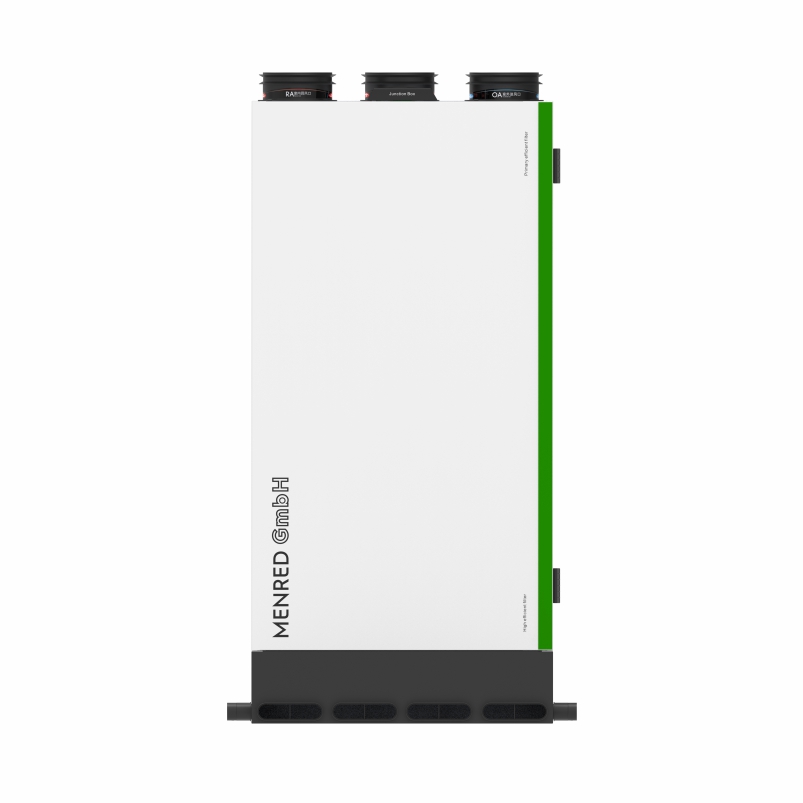
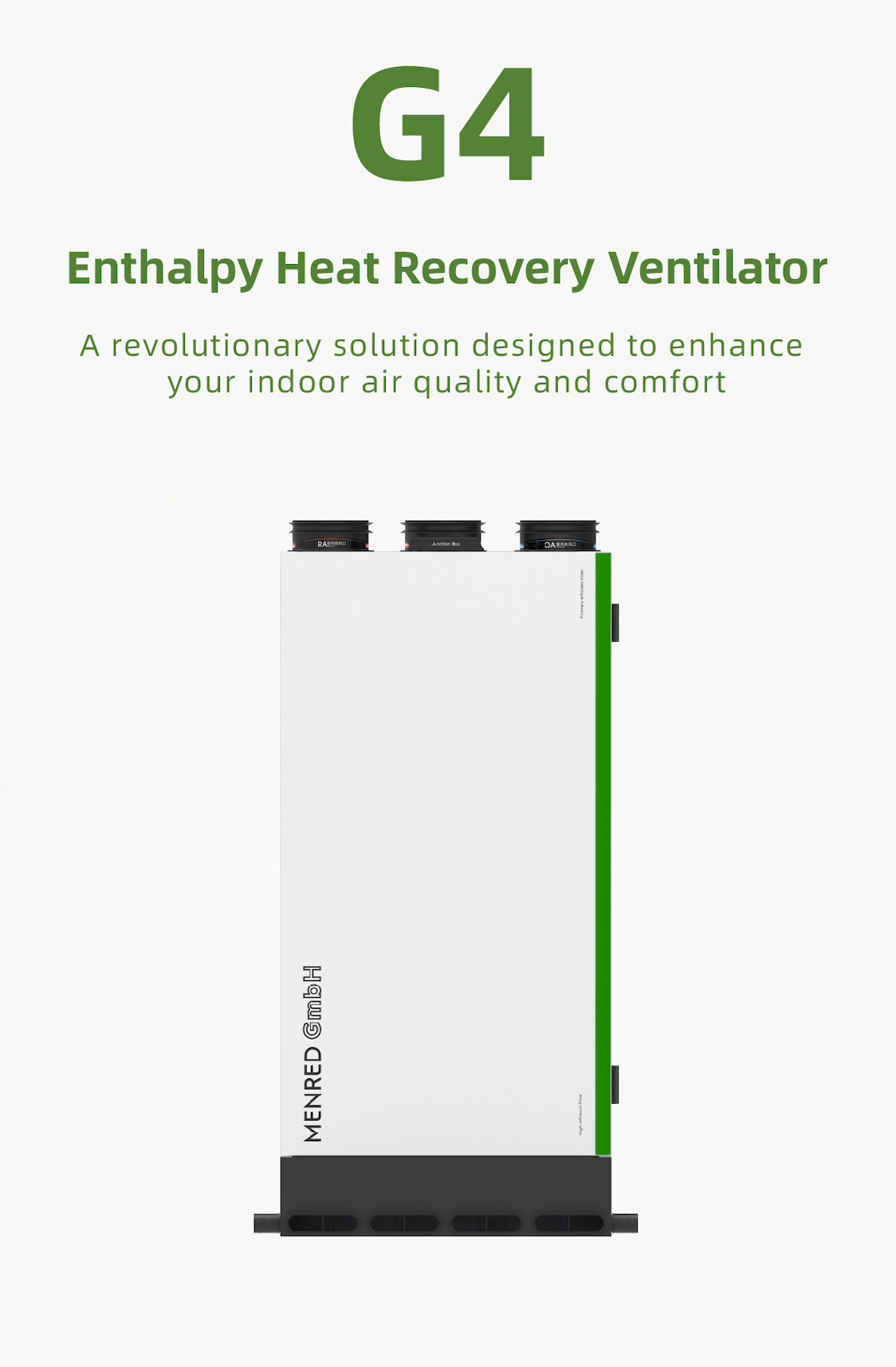
MENRED G4 Enthalpy heat recovery ventilator(ERV)

MENRED G4 Enthalpy heat recovery ventilator(ERV) MENRED G4 Enthalpy heat recovery ventilator(ERV)

MENRED G4 Enthalpy heat recovery ventilator(ERV)
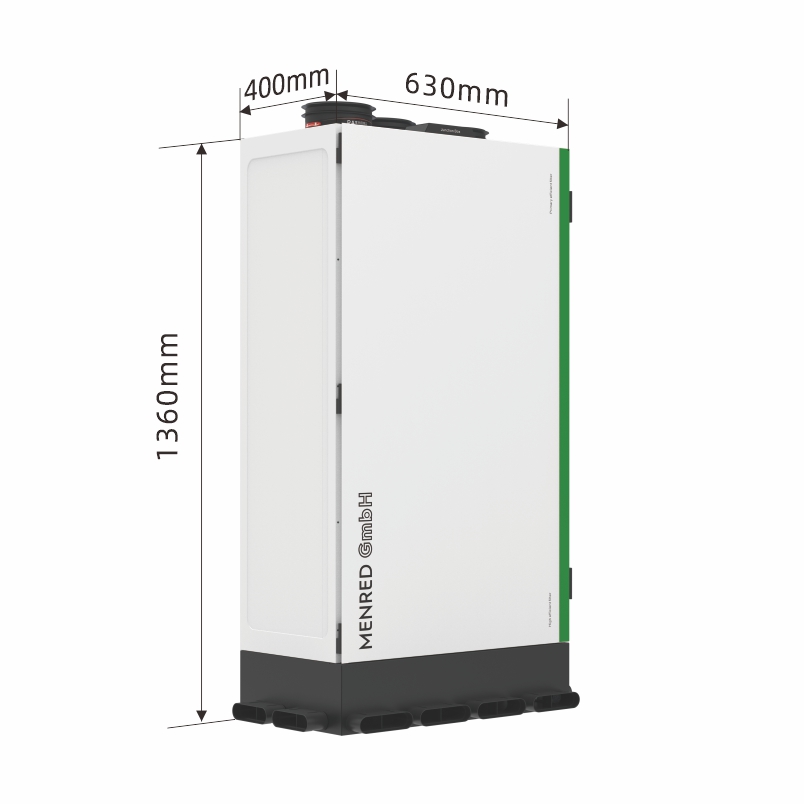
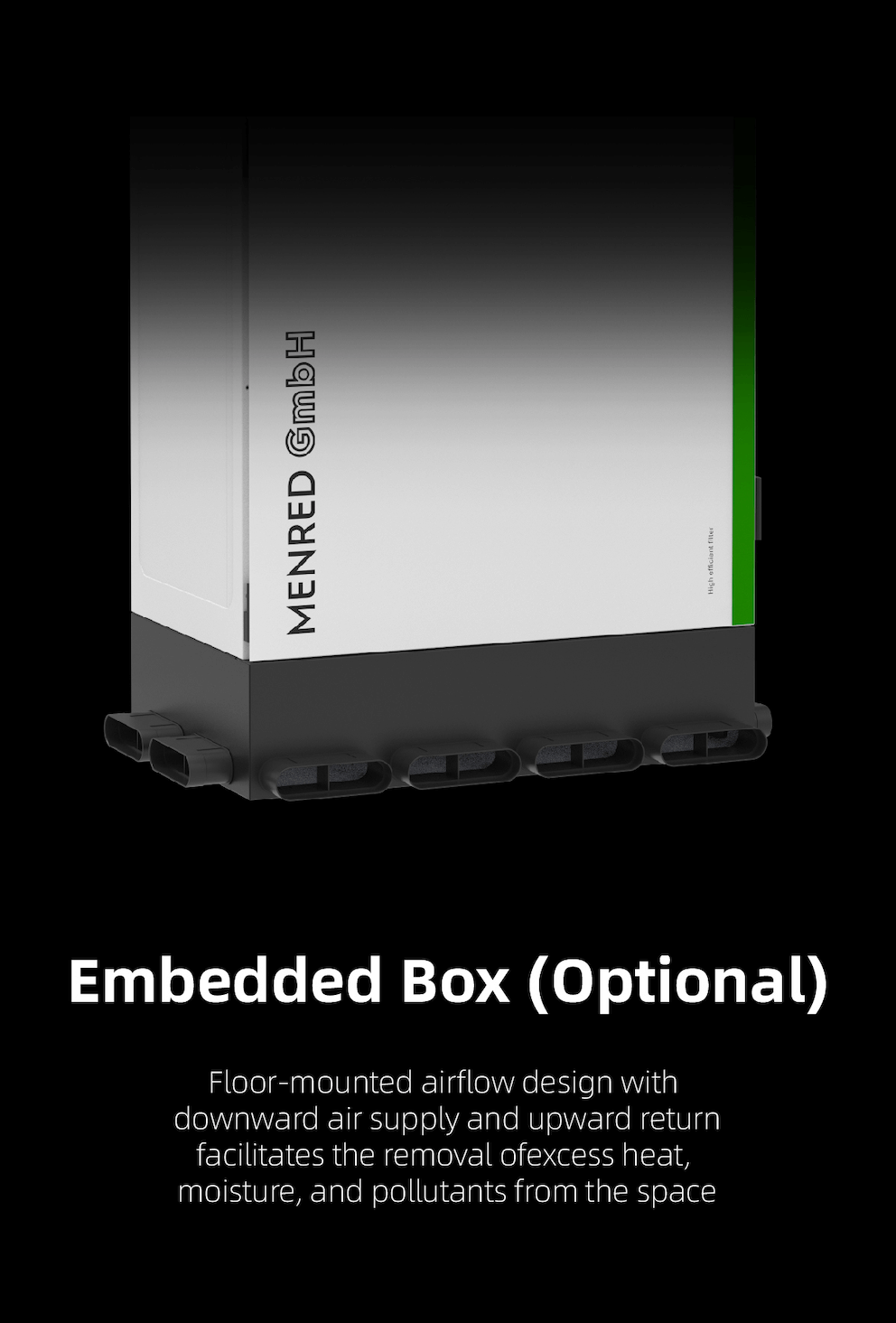
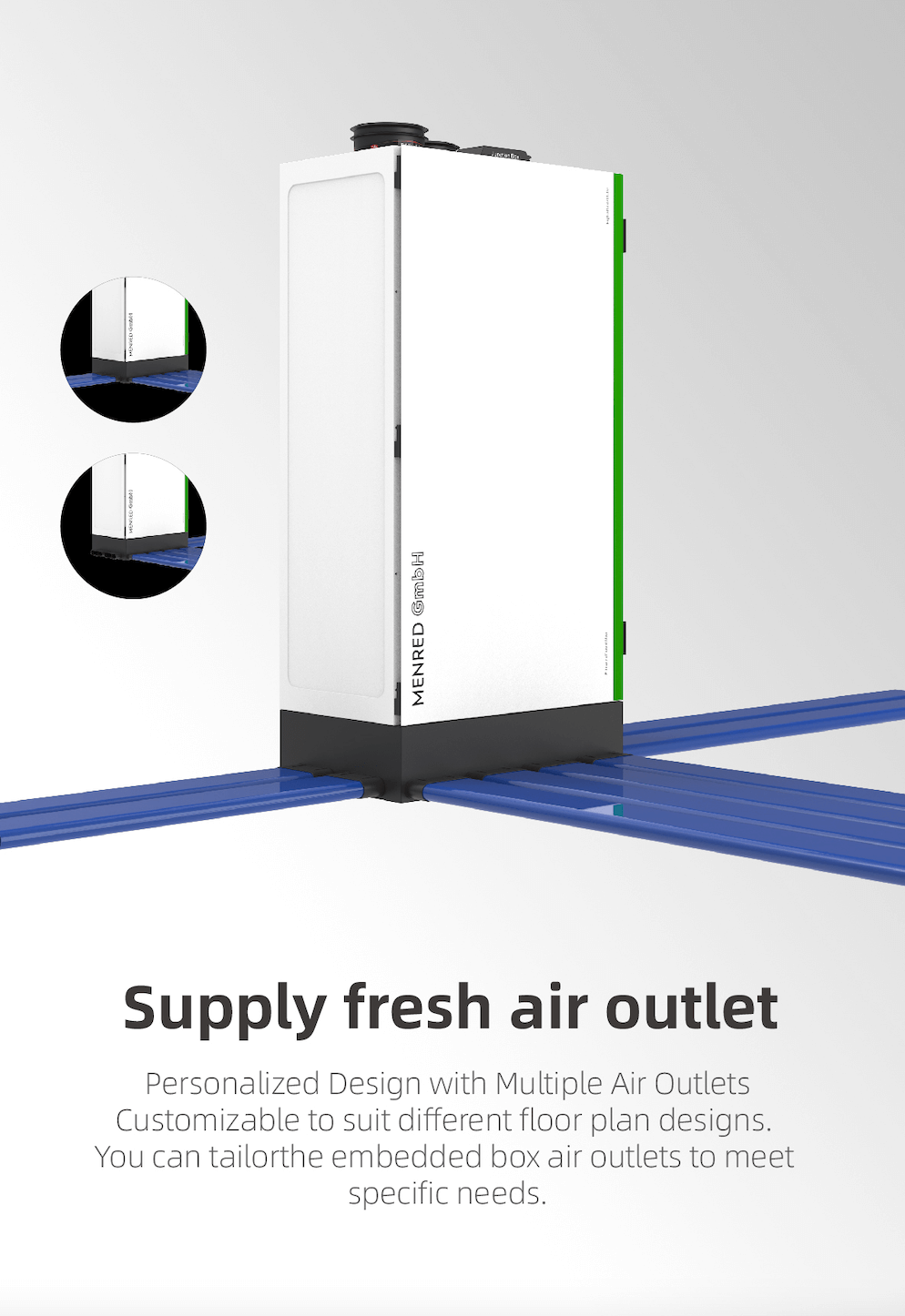
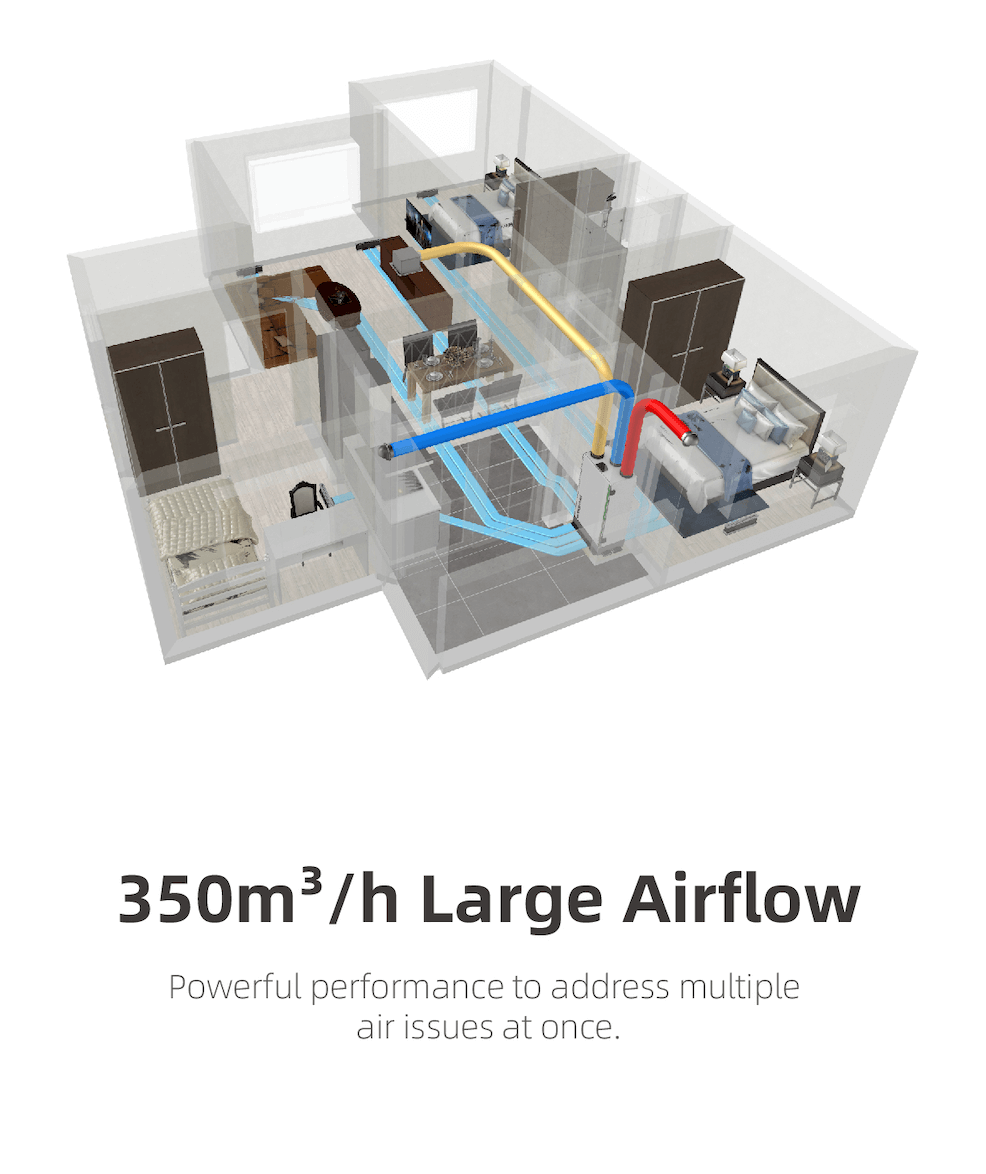
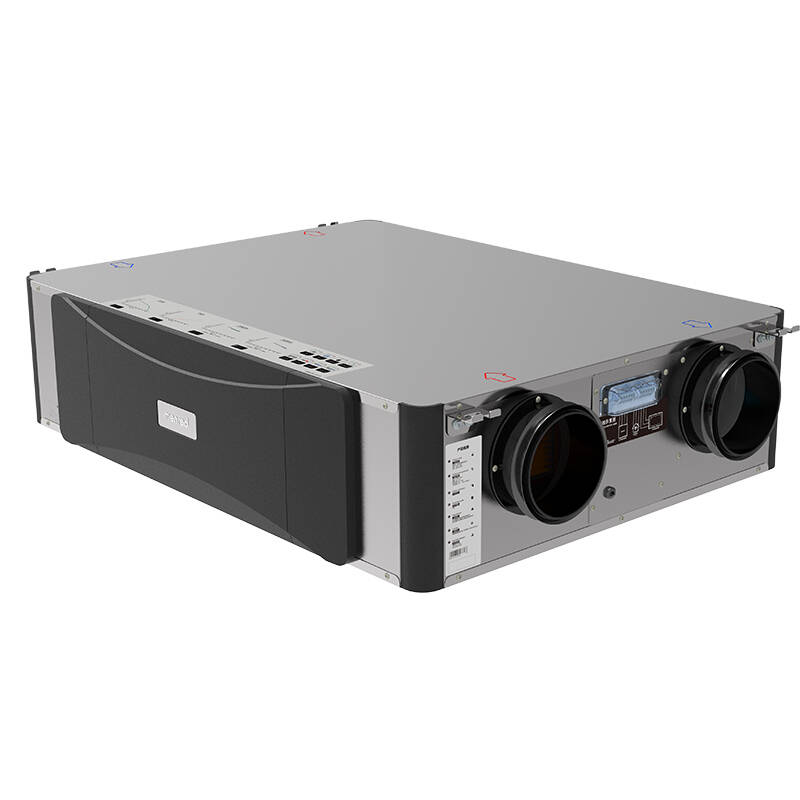
The MENRED G4 ERV Ventilator is a groundbreaking solution designed to elevate indoor air quality and comfort. Featuring a ground fresh air system, it effectively prevents floor height constraints, making construction and installation effortless. Equipped with an enthalpic exchange core, the G4 ERV Ventilator achieves superior energy recovery efficiency. This advanced technology seamlessly transfers heat and humidity between indoor and outdoor environments, ensuring optimal climate control.

The MENRED G4 energy recovery ventilator(ERV) boasts three standout features:


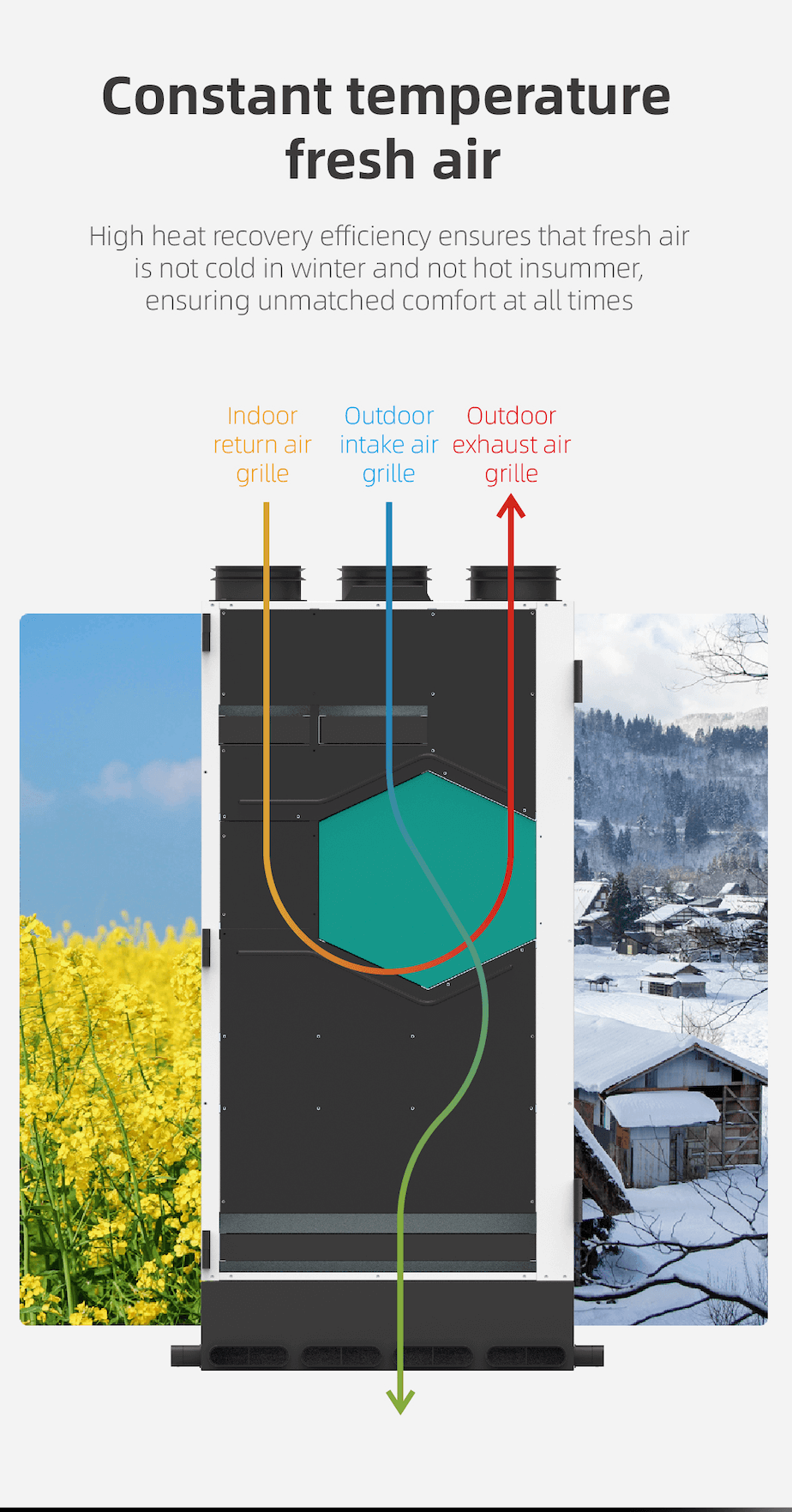
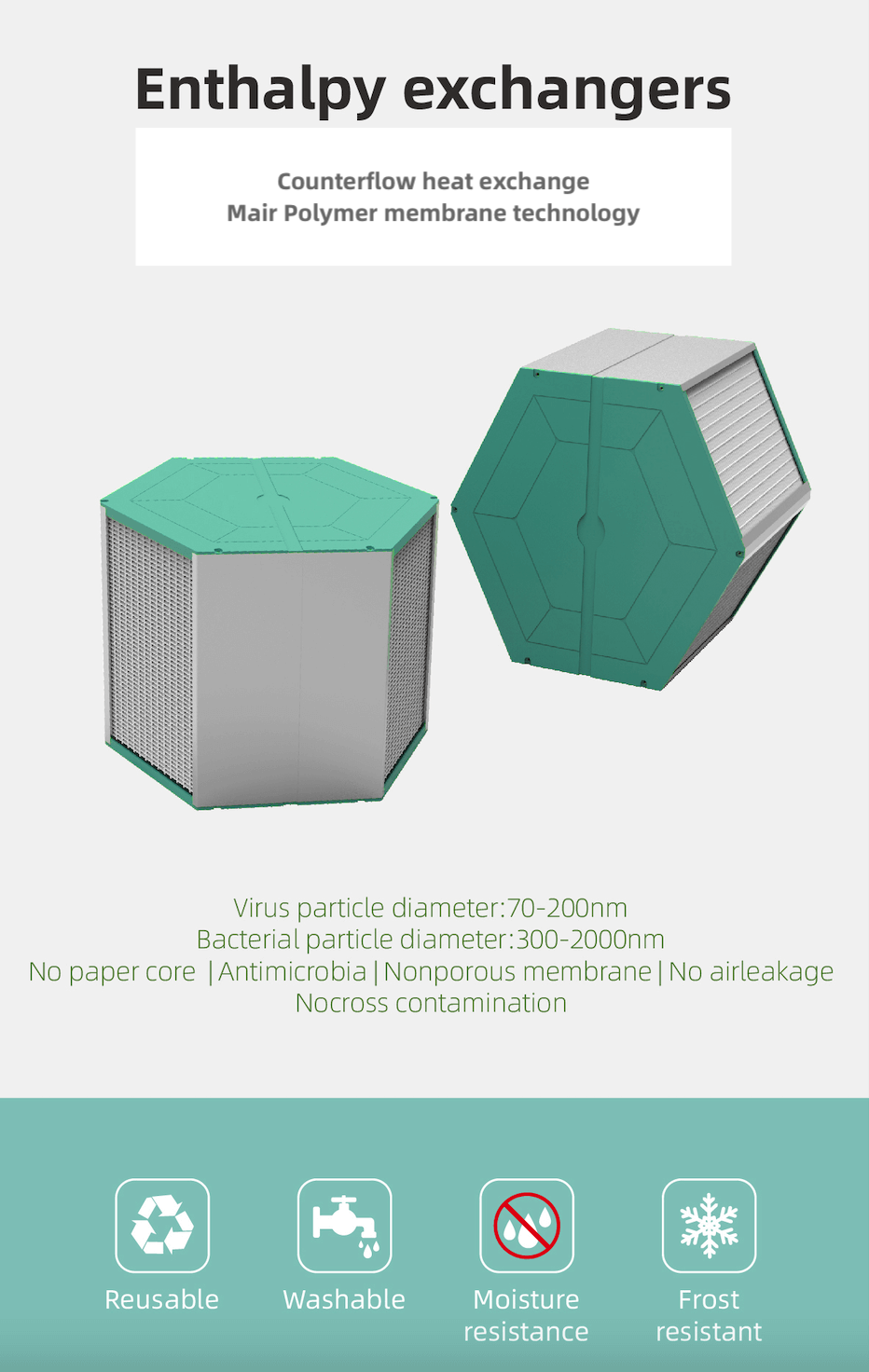
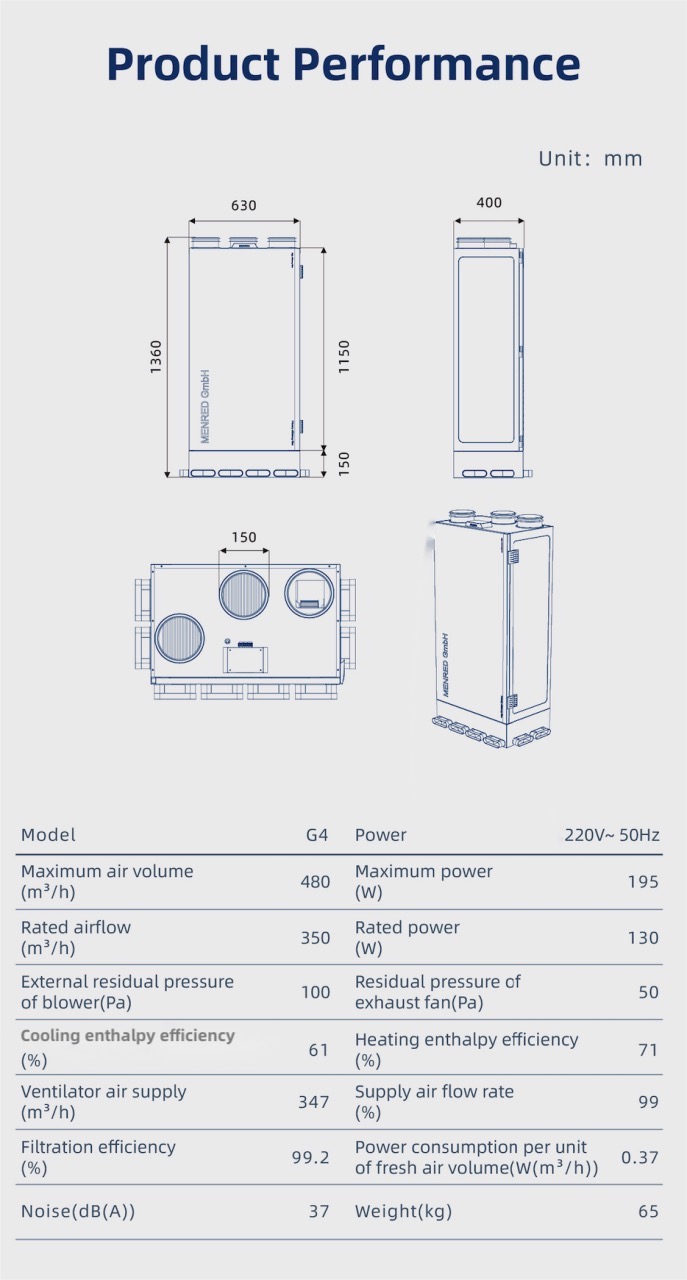
Advanced Enthalpic Technology: Incorporating a counterflow latent exchanger and Mair polymer membrane technology, this system offers exceptional cooling (61%) and heating (71%) enthalpy efficiency.


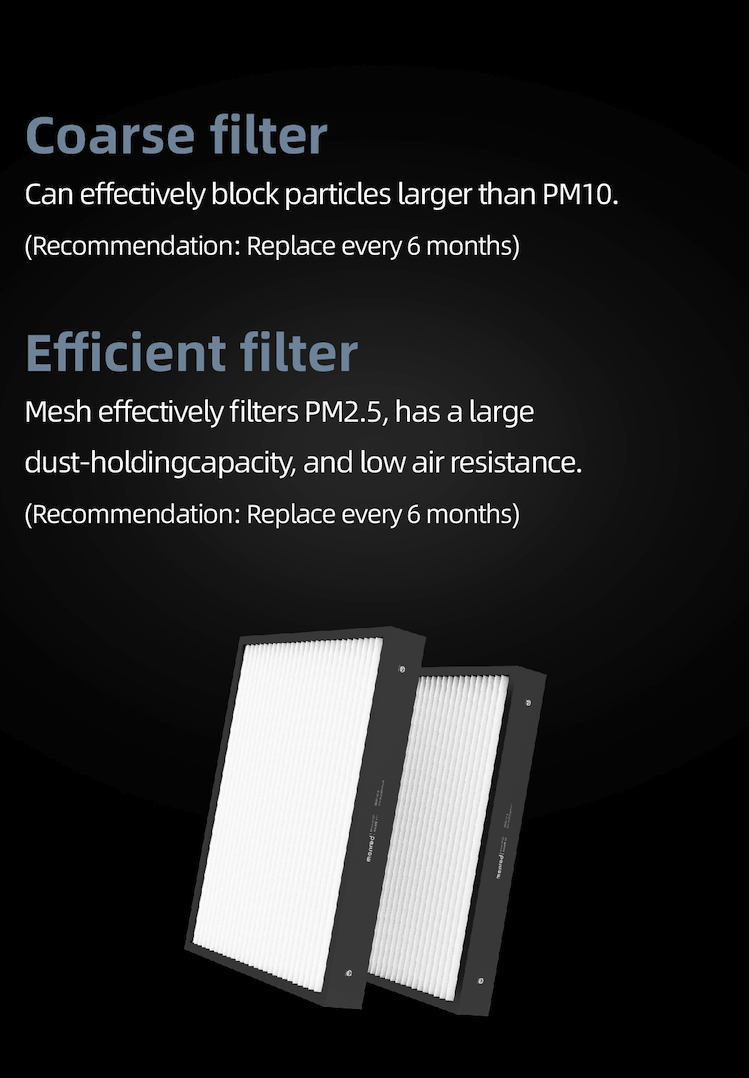
High-Efficiency Filtration: The integrated mesh filter effectively captures PM2.5 particles, with a substantial dust-holding capacity and minimal air resistance. It achieves a remarkable filtration efficiency of 99.2%.


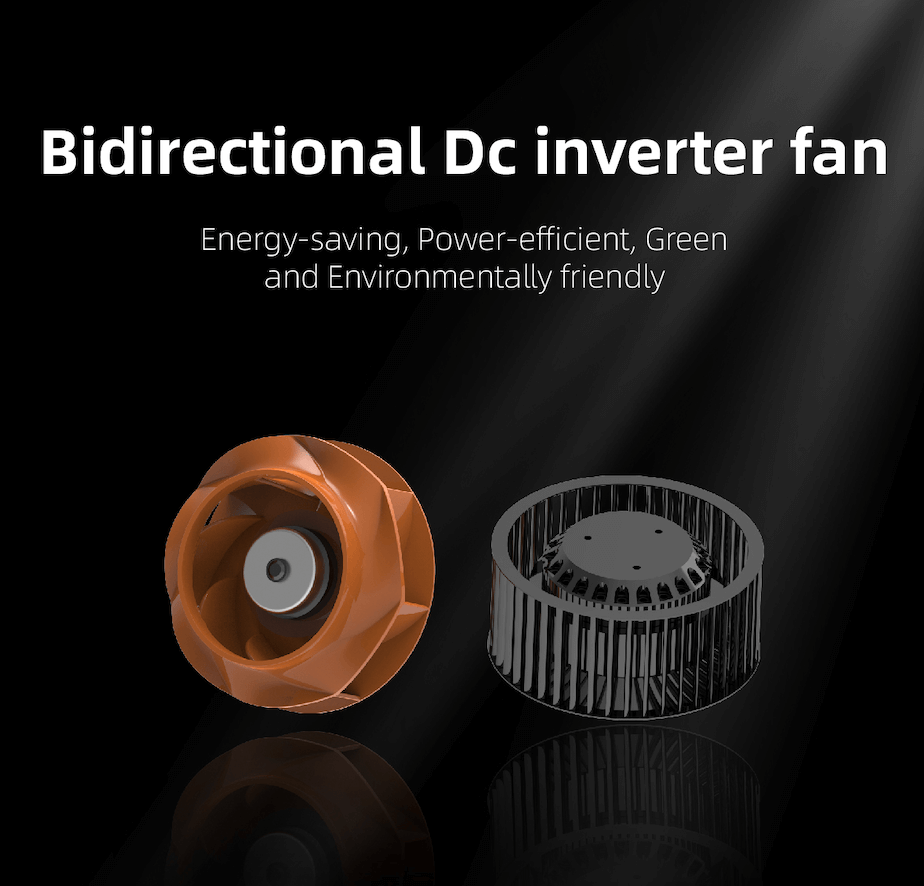
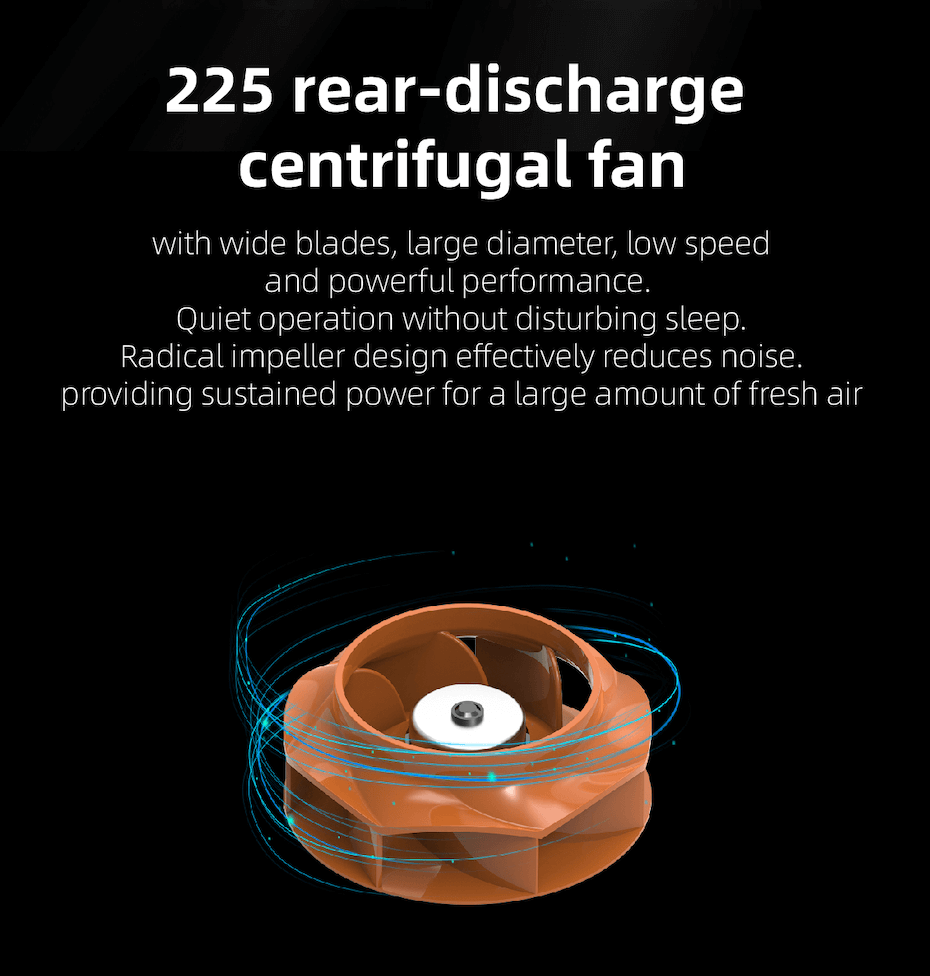
Bidirectional DC Inverter Fan: Designed for energy savings, this fan operates efficiently, ensuring a green and environmentally friendly solution.


These features collectively enhance air quality and comfort, making the G4 ERV Ventilator an ideal choice for modern living spaces.
Data download

FAQs

How does an ERV fit into the MENRED Wuheng Climate System? How does an ERV fit into the MENRED Wuheng Climate System?
The MENRED Wuheng Climate System takes an integrated approach to indoor climate by coordinating temperature control, humidity management, fresh air, cleanliness, and quietness.
Read More
Can an ERV work with radiant heating and cooling? Can an ERV work with radiant heating and cooling?
Yes. An ERV can work alongside radiant heating and cooling as part of an integrated indoor climate system.
Read More
How often should an ERV be serviced? How often should an ERV be serviced?
Routine maintenance generally includes checking filters, inspecting the heat or enthalpy exchange core, checking fans and accessible air passages, and verifying that supply and exhaust airflow remain appropriate.
Read More
How often should ERV filters be replaced? How often should ERV filters be replaced?
Filter maintenance intervals depend on the filter type, outdoor air quality, operating hours, and the manufacturer's instructions.
Read More
Can an ERV be installed in an existing home? Can an ERV be installed in an existing home?
Yes. Depending on the building layout and the selected model, an ERV may be suitable for retrofit projects as well as new construction.
Read More
Is an ERV noisy? Is an ERV noisy?
ERVs contain fans and moving air, so some operating noise is unavoidable. The perceived noise depends on fan speed, unit design, installation quality, duct sizing, airflow velocity, vibration isolation, and the location of the unit.
Read More
Where should an ERV be installed? Where should an ERV be installed?
The installation location depends on the ERV model, building layout, duct routing, outdoor air intake and exhaust locations, and access requirements.
Read More
How do I choose the right ERV for my home? How do I choose the right ERV for my home?
Start with the required ventilation airflow, then evaluate the unit's delivered airflow at the planned external static pressure, recovery performance, filtration, sound levels, dimensions, power consumption, controls, and maintenance access.
Read More
Does an ERV provide clean air without opening windows? Does an ERV provide clean air without opening windows?
An ERV can provide a controlled supply of outdoor air while reducing the need to open windows solely for ventilation.
Read More
Can an ERV remove PM2.5, dust, and pollen? Can an ERV remove PM2.5, dust, and pollen?
An ERV can reduce incoming airborne particles when equipped with suitable filters. Its effectiveness depends on the filter's tested efficiency, the particle size, sealing, airflow, and filter maintenance.
Read More
Can an ERV reduce indoor CO₂ levels? Can an ERV reduce indoor CO₂ levels?
An ERV can help reduce indoor carbon dioxide (CO₂) concentrations by replacing CO₂-rich indoor air with outdoor air, provided that the outdoor airflow and air distribution are adequate for the occupancy.
Read More
How much fresh air does a home need? How much fresh air does a home need?
Required outdoor airflow depends on the applicable building code, occupancy, floor area, room use, and the ventilation design standard used for the project.
Read More
Is an ERV suitable for hot and humid climates? Is an ERV suitable for hot and humid climates?
An ERV can be part of a ventilation strategy for hot and humid climates, but the design must account for both heat and moisture loads.
Read More
Does an ERV work in both summer and winter? Does an ERV work in both summer and winter?
Yes. An appropriately designed ERV can operate in both heating and cooling seasons.
Read More
Can an ERV control indoor humidity? Can an ERV control indoor humidity?
An ERV with an enthalpy exchange core can transfer moisture between incoming and outgoing air streams. This may help moderate indoor humidity, but it does not actively remove moisture in the same way as a dedicated dehumidifier.
Read More
Does an ERV save energy? Does an ERV save energy?
An ERV can reduce the energy required to condition outdoor ventilation air by recovering part of the heat and, where applicable, moisture from the exhaust air.
Read More
What is the difference between an ERV and a standard exhaust fan? What is the difference between an ERV and a standard exhaust fan?
A standard exhaust fan removes indoor air but does not normally recover energy from it. Replacement outdoor air must enter through designed inlets or other openings, and its temperature and moisture can add to the building's heating or cooling load.
Read More
What is the difference between an ERV and an HRV? What is the difference between an ERV and an HRV?
An HRV (Heat Recovery Ventilator) primarily transfers sensible heat between incoming and outgoing air. An ERV (Energy Recovery Ventilator) can transfer sensible heat and moisture when equipped with an enthalpy exchange core.
Read More
How does an ERV system work How does an ERV system work
An ERV draws outdoor air into the building and exhausts stale indoor air through separate air passages. Inside the energy recovery core, heat and moisture can transfer between the two air streams without intentionally mixing the bulk air streams.
Read More
What is an Energy Recovery Ventilator (ERV)? What is an Energy Recovery Ventilator (ERV)?
An Energy Recovery Ventilator (ERV) is a mechanical ventilation system that supplies outdoor air and exhausts stale indoor air while transferring heat and, in enthalpy recovery systems, moisture between the two air streams.
Read More
What is the difference between an ERV and a dehumidifier? What is the difference between an ERV and a dehumidifier?
An ERV primarily provides controlled ventilation and energy recovery. A dehumidifier primarily removes moisture from indoor air.
Read More
Can an ERV control indoor humidity? Can an ERV control indoor humidity?
An ERV can transfer moisture between incoming and outgoing air depending on its core technology and operating conditions.
Read More
Why Does Our Home Need an ERV Ventilation System? Why Does Our Home Need an ERV Ventilation System?
Fresh air is not just about breathing better. It is an essential part of creating a comfortable, healthy, and durable home.
Read More
Contact

MENRED Group

Economy Park HQs, Yueqing City, China.

MENRED GmbH

Weisswasser Germany

MENRED Green Building Industrial Park

Lingkun Island,Wenzhou City,Zhejiang China.

MENRED Enviro-Tech Industrial Park

Nanhu District, Jiaxing City, Zhejiang China.