Deutsch
 中文
中文From a 1980s House to a Modern Minimalist Zero-Carbon Home
views: 1883 time: 2026-01-20
views: 1883 time: 2026-01-20
A Wuheng Residential Case Study by MENRED
Why Architects Care About This Project
This project demonstrates how the Wuheng Comfort System can be integrated as a core architectural strategy rather than a mechanical afterthought.
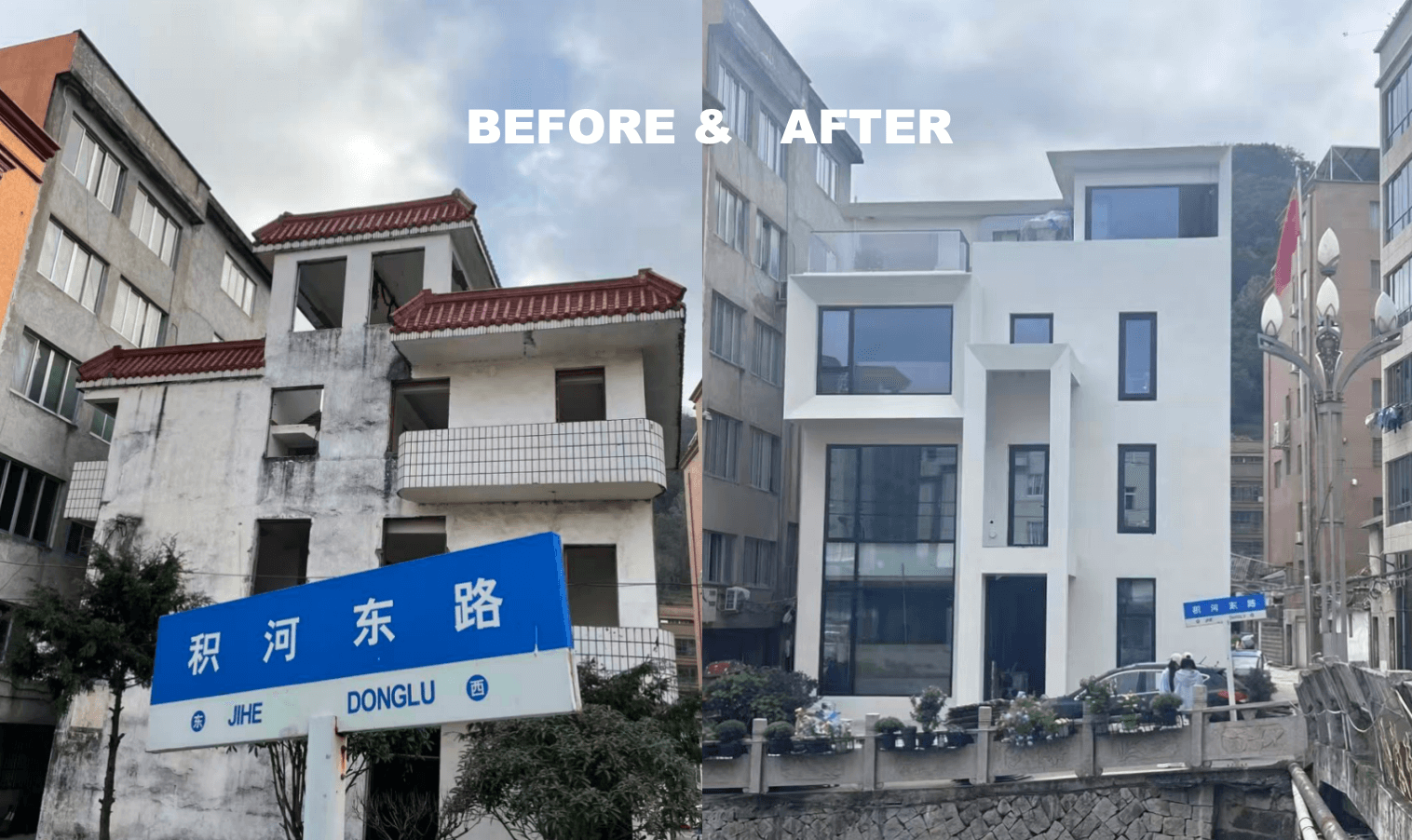
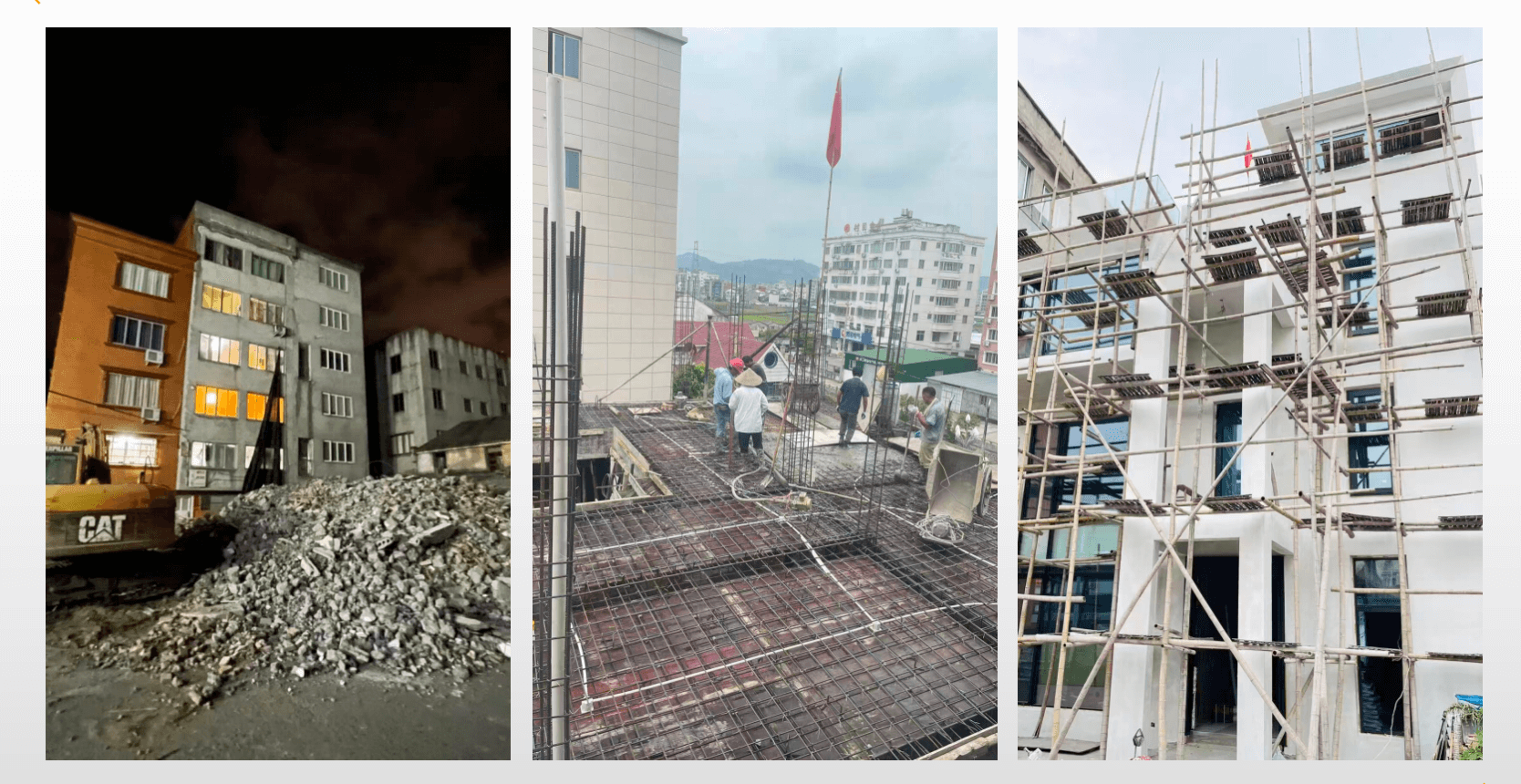
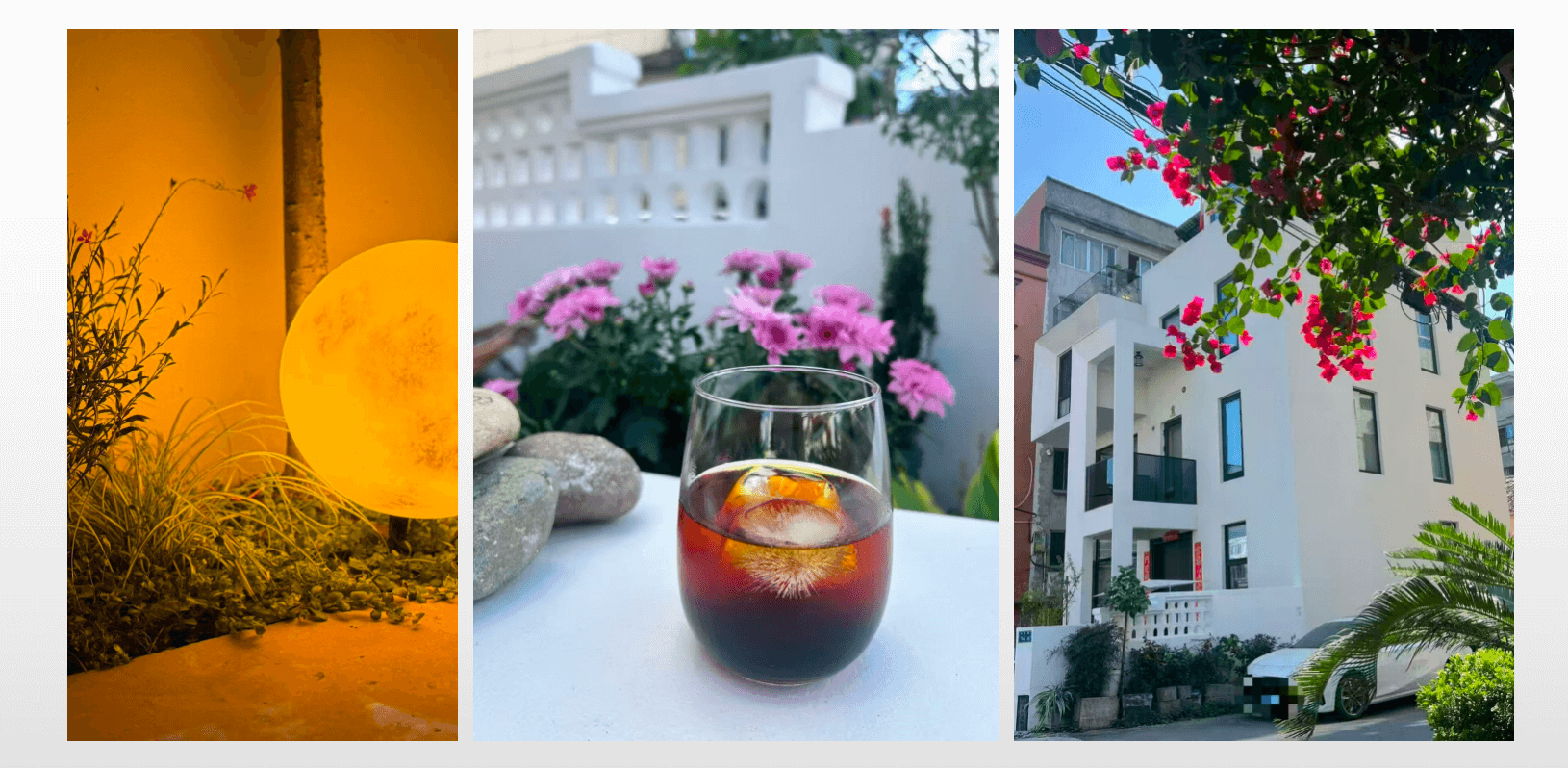
Originally built in the 1980s, the house was fully demolished and rebuilt into a contemporary three-and-a-half-storey residence in China. From the earliest design phase, the objective was clear:
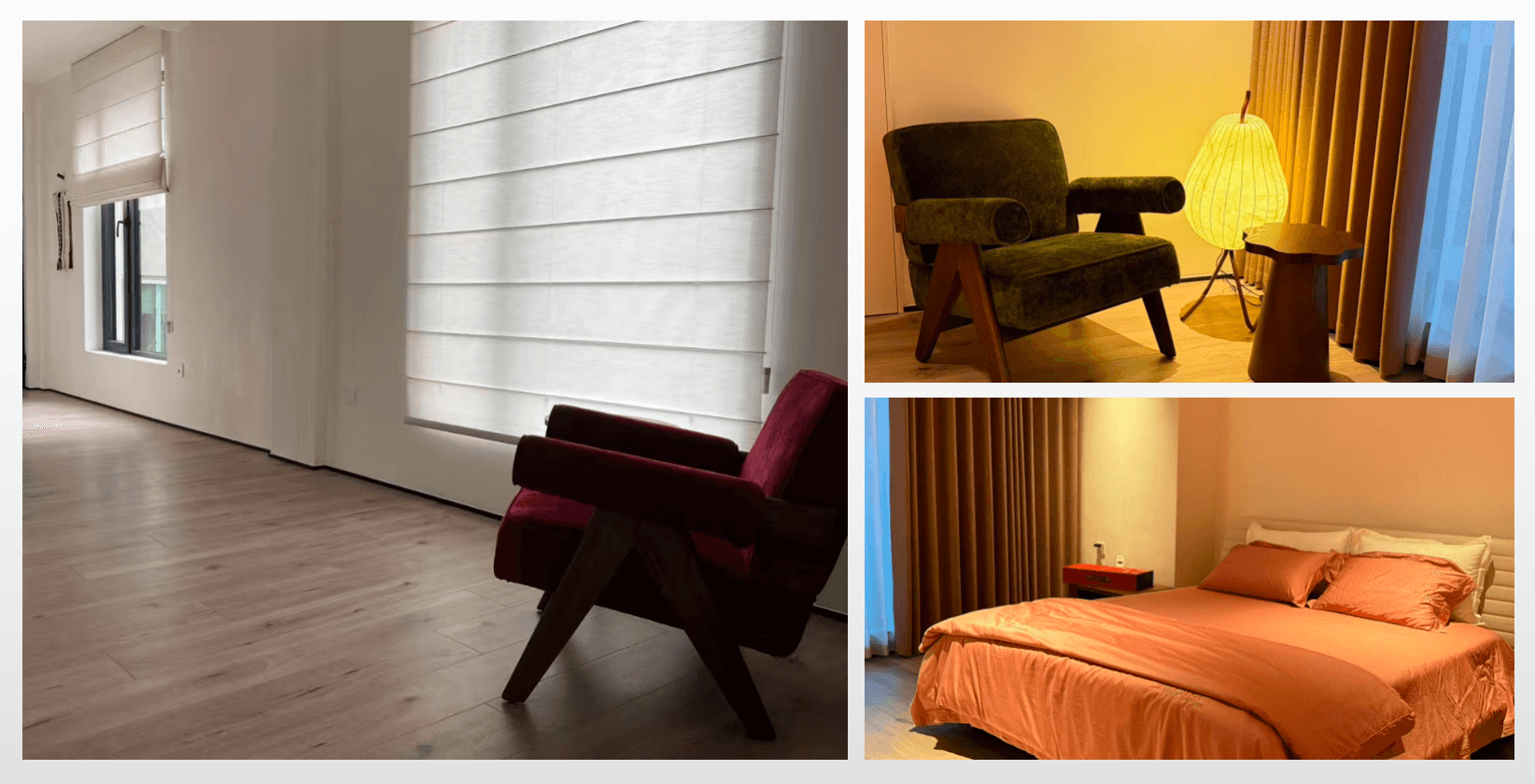
To deliver constant indoor comfort, clean air, and high energy efficiency—without visible air terminals, drafts, or mechanical noise.
Climate-Driven Design Strategy
The project is located in a region with cold, humid winters and hot, humid summers.
Instead of relying on conventional air-based HVAC systems, comfort is achieved through a radiant thermal system combined with energy and humidity recovery ventilation, preserving spatial clarity and acoustic quality.
The Wuheng Comfort System: Five Constants Defined
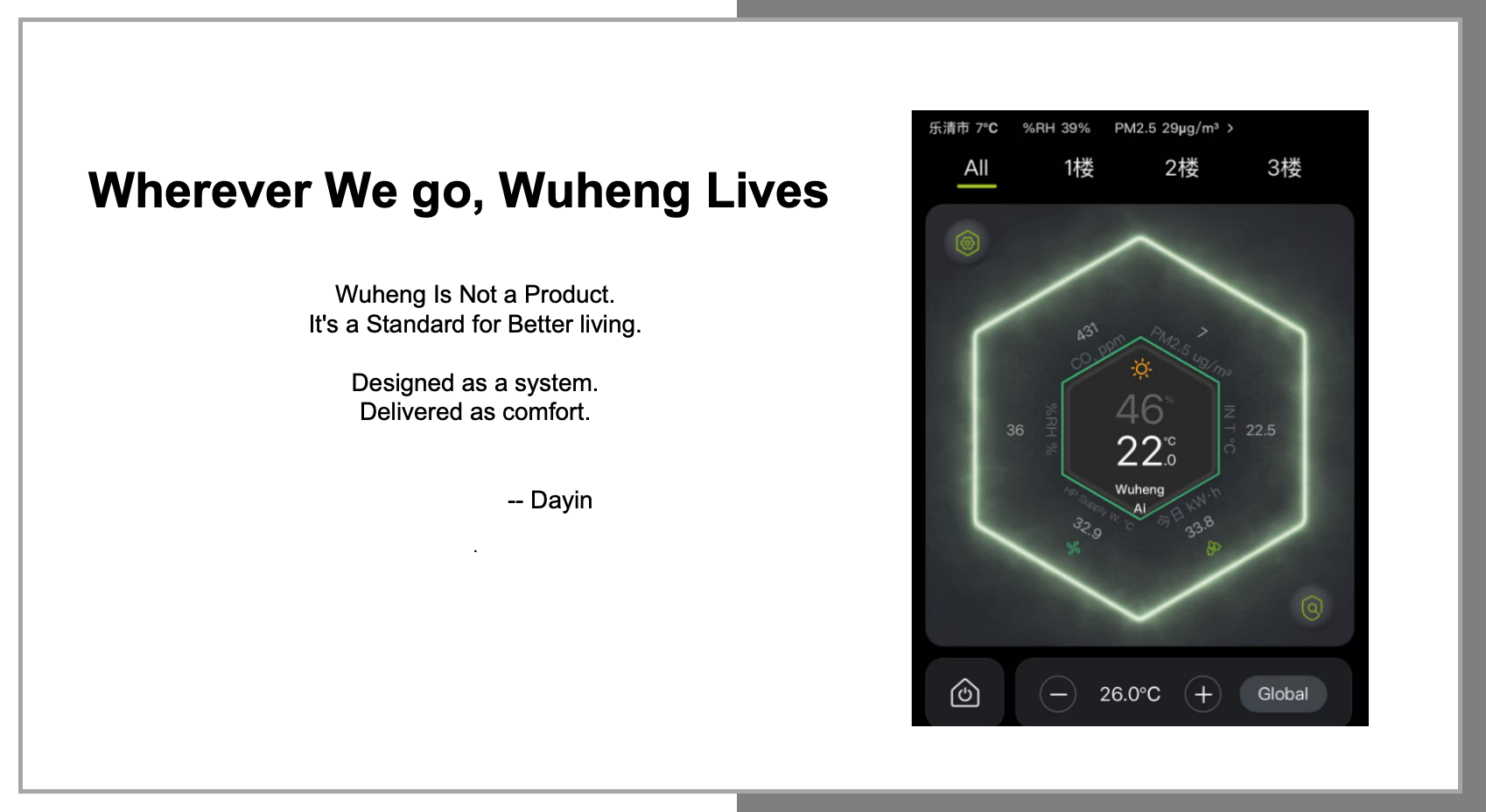
The Wuheng Comfort System is based on five measurable and controllableconstant indoor performance conditions:
Together, these five constants form aperformance-based comfort framework, not a product package.
Radiant Cooling as an Architectural Element
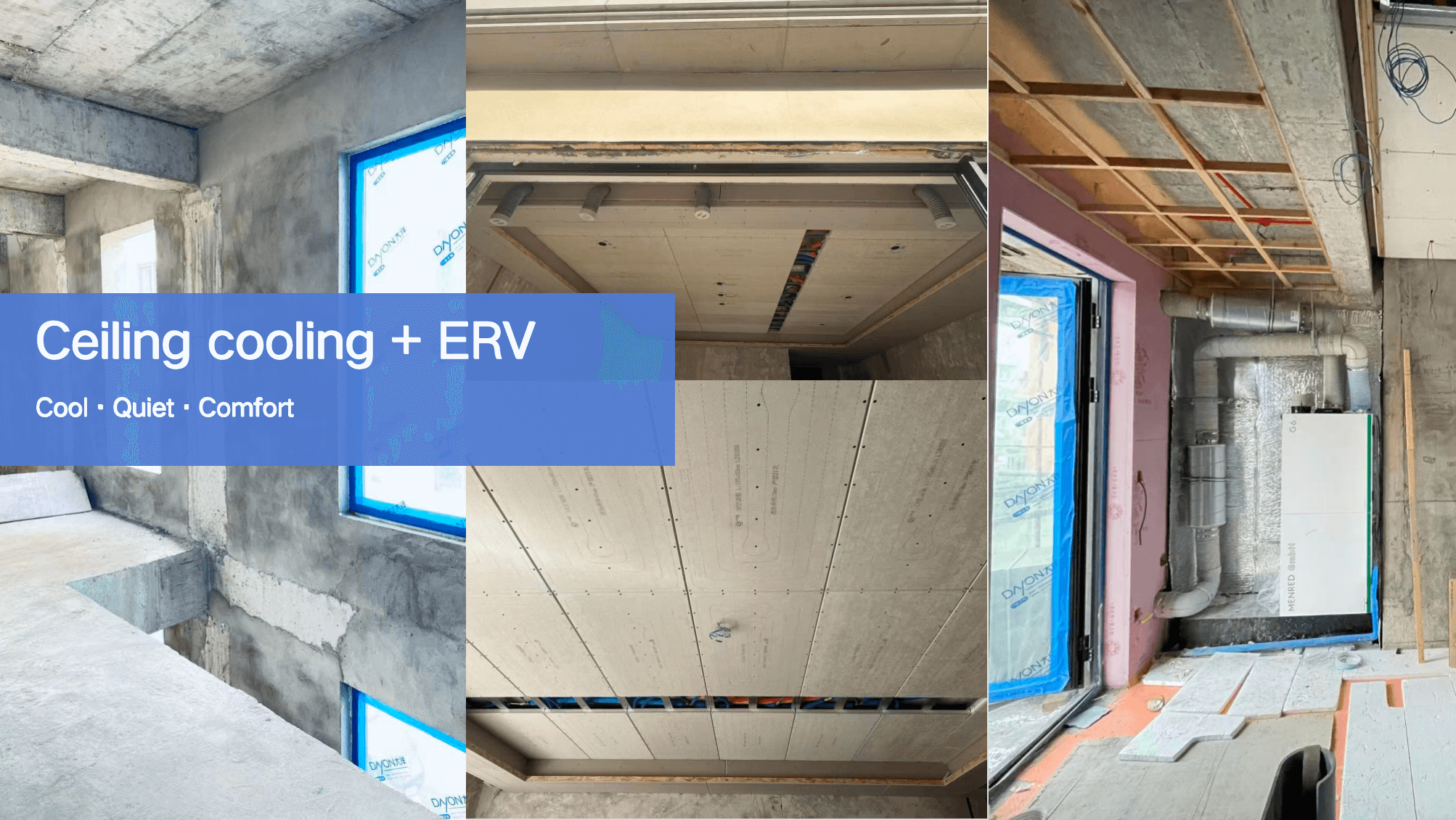
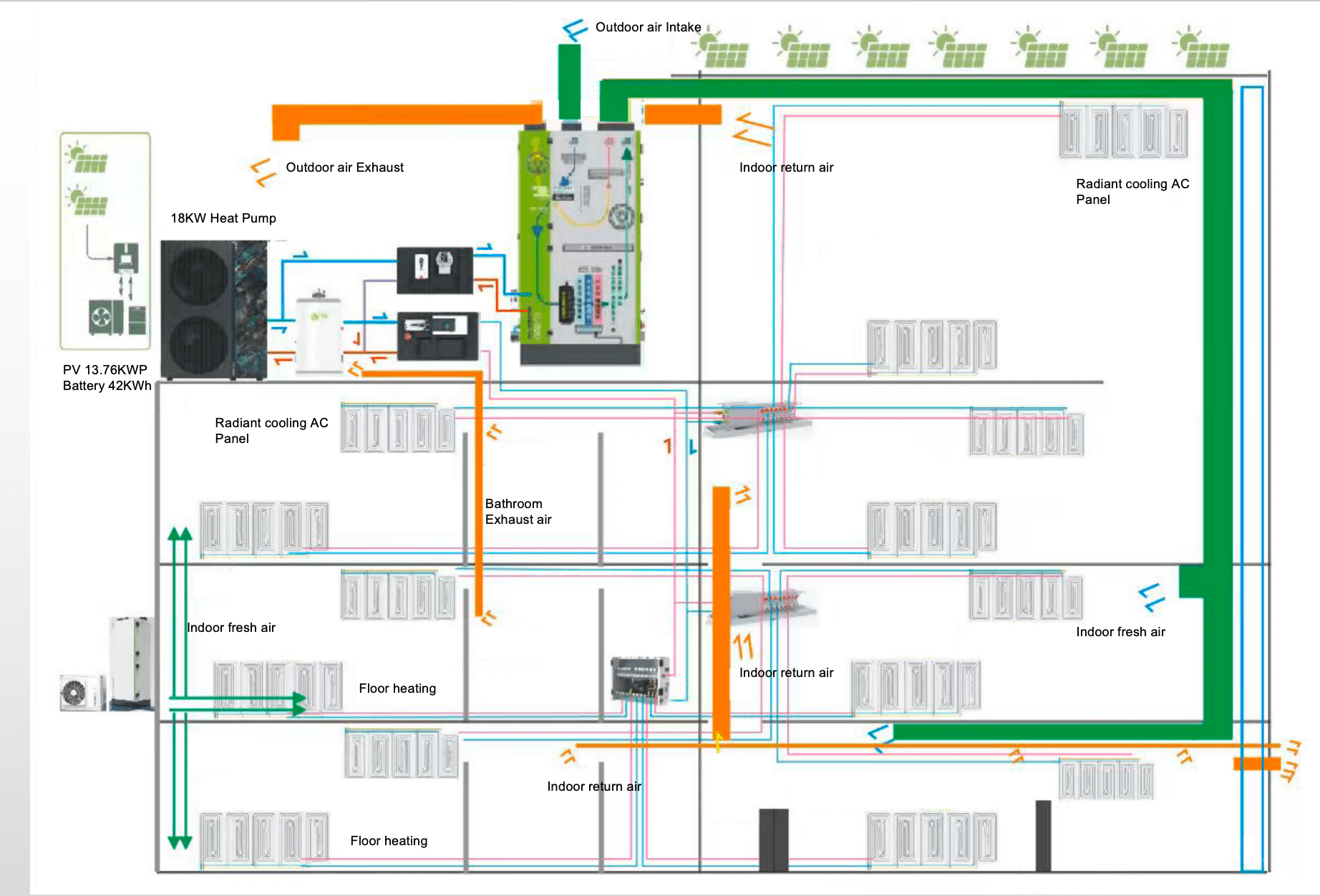
All interior spaces are equipped with MENRED radiant ceiling panels, fully integrated into the ceiling construction.
For architects, this means:
The ceiling becomes anactive thermal surface, not a passive boundary.
Ventilation with Energy and Humidity Recovery
Both MENRED i7 and G6 ventilation systems are equipped with enthalpy recovery cores, recovering heat and humidity during air exchange.
This significantly reduces cooling and dehumidification loads while stabilizing indoor humidity.
System zoning is clearly defined:
Ventilation and thermal conditioning are deliberately separated to improve control and energy efficiency.
Energy Strategy and Low-Energy Design
The house integrates:
This enables high self-consumption, peak shaving, and reduced grid dependency. Combined with low-temperature heating and high-temperature radiant cooling, the system aligns withlow-energy, low-exergy design principles.
Conclusion
This project shows how the Wuheng Comfort System enables architects to design residential buildings that arequiet, healthy, energy-efficient, and spatially uncompromised.
By integrating radiant heating and cooling, energy recovery ventilation, and renewable energy systems, MENRED provides a comfort strategy aligned with contemporary architectural values and long-term building performance goals.
Economy Park HQs, Yueqing City, China.
Weisswasser Germany
Lingkun Island,Wenzhou City,Zhejiang China.
Nanhu District, Jiaxing City, Zhejiang China.